
Building Beauty and Strength That Lasts
A well-planned landscape and hardscape bring beauty, structure, and value to any property. Patios, walkways, and retaining walls aren’t just aesthetic features—they form the backbone of your outdoor living space. But in regions vulnerable to hurricanes, tropical storms, or heavy coastal winds like the Carolinas, not all materials are created equal. Choosing durable hardscape materials that can withstand wind, flooding, and storm debris isn’t just a design preference—it’s a matter of protection and longevity.
Your home’s exterior endures more than sunshine and weekend barbecues. It faces torrential rain, sudden temperature shifts, and powerful wind gusts that can displace even the strongest installations. Understanding how different materials perform under stress allows homeowners to make informed decisions that save money and prevent future repairs. Below, we explore the best materials and techniques to help your outdoor space remain strong, beautiful, and storm-ready all year long.
Comparing Hardscape Materials for Extreme Weather Durability
When choosing durable hardscape materials, four contenders dominate the conversation: concrete pavers, natural stone, poured concrete, and permeable surfaces. Each option brings unique advantages, but their ability to handle high winds and flooding differs significantly.
Concrete pavers are one of the most resilient and versatile choices for storm-prone areas. They are individually set, which allows for slight movement under pressure without cracking—a key advantage over solid concrete slabs. When installed on a properly compacted base with edge restraints and polymeric sand joints, pavers create a flexible yet firm surface that can handle both heavy loads and shifting moisture levels. If any paver becomes damaged, it can be easily replaced without tearing up the entire area.
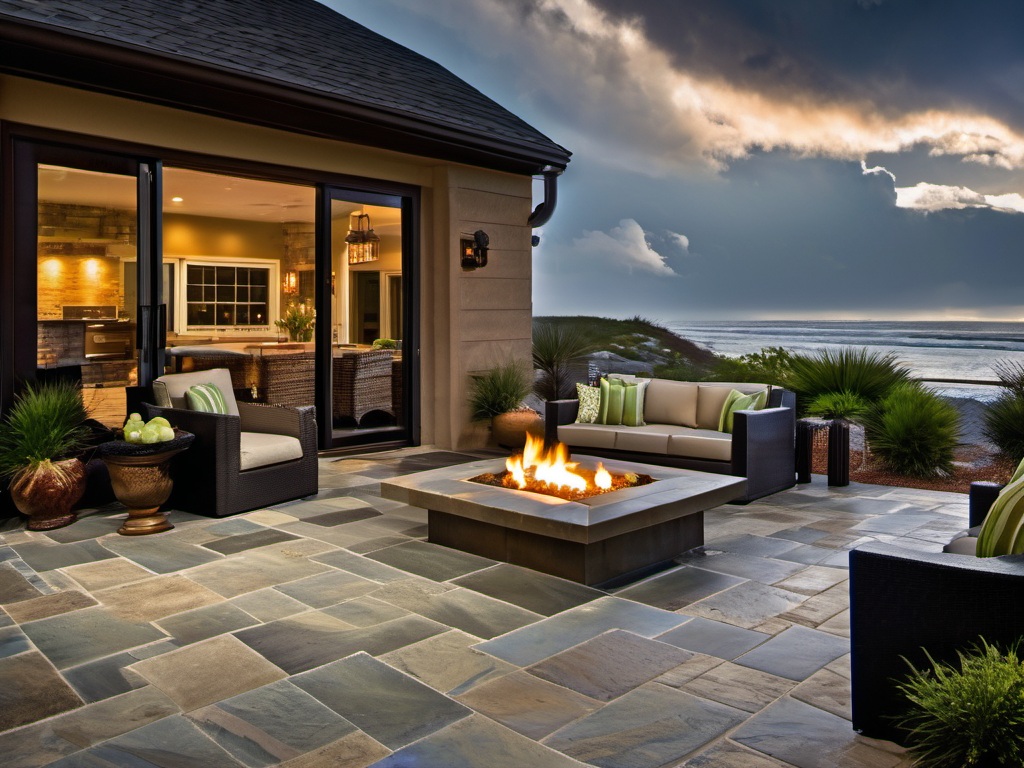
Natural stone, such as granite, travertine, or bluestone, provides unmatched elegance and longevity. These stones resist erosion, maintain their color, and withstand high impact from debris or falling branches. Granite, in particular, performs exceptionally well in coastal areas due to its density and minimal water absorption. However, stone installations require precise leveling and tight joints to prevent water infiltration during storms. When paired with a high-quality sealant, natural stone becomes nearly impervious to damage from salt, rain, or heat.
Poured concrete offers a solid, unified surface and works well for driveways and large patios. It provides excellent strength but lacks flexibility—making it prone to cracking when water pressure builds beneath or when the ground shifts after heavy rainfall. Reinforced concrete with proper drainage and control joints can offset these weaknesses, but homeowners must understand that once cracked, poured slabs are harder to repair than pavers.
Finally, permeable surfaces—including permeable pavers and gravel grids—are gaining popularity in storm zones. These systems allow water to filter through the surface into an engineered sub-base, reducing runoff and minimizing flooding. By decreasing surface water accumulation, permeable designs help protect both the hardscape and surrounding structures from erosion and washouts.
The Pros and Cons of Permeable vs. Solid Surfaces in Heavy Rain
During heavy rain seasons, the choice between permeable pavers and solid surfaces determines how your property manages water. While traditional surfaces like concrete or tightly sealed stone create runoff, permeable systems work with nature by allowing rainwater to soak into the ground. This helps reduce standing water, protect foundations, and relieve stress on municipal drainage systems.
The advantages of permeable pavers include better stormwater management, less surface pooling, and natural filtration that cleans water before it reaches the groundwater table. These systems also mitigate hydrostatic pressure—the invisible force that can push against retaining walls and cause them to lean or crack. Permeable materials are ideal for driveways, pool decks, and patios where runoff could otherwise damage the surrounding landscape.
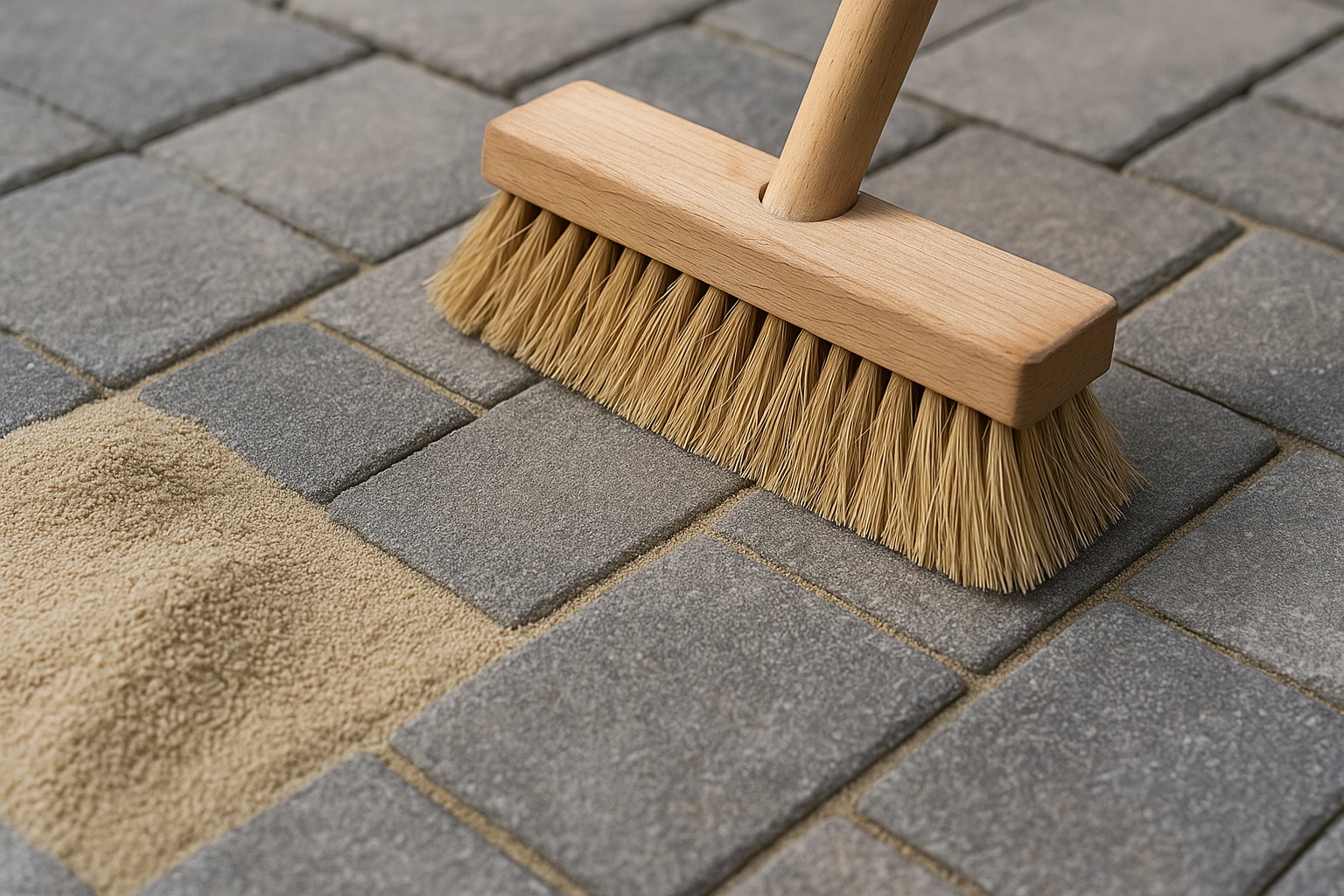
However, they do require periodic maintenance. Over time, fine debris can clog the pores or joints between pavers, reducing permeability. Annual cleaning and occasional joint sand replacement are necessary to keep the system fully functional.
Solid surfaces, like traditional pavers or sealed stone, are better suited for areas where flooding is minimal but debris impact is high. Their dense surfaces resist scratches, stains, and pressure from heavy objects. While they produce more runoff, integrating them with channel drains, French drains, or grading systems can counteract water accumulation effectively. Ultimately, combining both permeable and solid surfaces strategically—depending on slope, exposure, and usage—creates a balanced design that performs well under all conditions.
Reinforcement Techniques: Sealers, Jointing Materials & Anchoring
Even the toughest material can fail without proper reinforcement. A storm-resistant hardscape relies on three essential details: sealing, joint stabilization, and anchoring.
High-quality sealants are your first defense against water damage and staining. For pavers and natural stone, use breathable, penetrating sealers that repel moisture while allowing trapped vapor to escape. This prevents freeze-thaw cracking and efflorescence. For concrete, a surface sealer adds both protection and color enhancement, helping prevent surface erosion from acid rain and UV exposure.
Next, use polymeric joint sand, which hardens when activated by water. This binding effect locks pavers together, reducing movement during storms and preventing weeds or ant infestations. For areas exposed to strong winds or flooding, consider epoxy-based jointing materials, which provide even greater bonding strength.
Proper anchoring and edge restraints are equally critical. Without them, pavers can shift, lift, or separate under wind pressure or water flow. Installations should always include rigid plastic or concrete edge restraints secured with spikes. Retaining walls should have geogrid reinforcement and drainage pipes to relieve water pressure behind the wall, preventing collapse. These engineering details may not be visible, but they determine whether your hardscape stands firm or fails when a storm arrives.
Long-Term Resilience Through Expert Design
When it comes to durable hardscape materials, resilience is not just about strength—it’s about balance. The best outdoor spaces are designed to flex, drain, and resist. The combination of high-quality materials, intelligent water management, and proper reinforcement ensures your investment lasts through decades of storms. As weather patterns become more extreme, homeowners who invest in storm-resistant hardscapes protect not only their property but also their peace of mind.
By choosing materials that can endure the coastal climate, you’re not just building a patio or driveway—you’re building long-term security. Every decision, from the type of paver to the grade of sealer, determines how your outdoor space will perform when nature tests its limits.
Built to Last: Contact the Coastal Hardscape Experts
At Precision Hardscape Construction, we specialize in designing and building storm-resistant patios, walkways, retaining walls, and outdoor living spaces across the Carolinas. Our team understands the local soil conditions, wind zones, and water behavior that affect your property. Whether you need a new installation or want to retrofit your existing space with stronger materials, we’ll help you create a durable, beautiful, and weatherproof outdoor environment.
Call us today at (843) 222-5377 or visit www.PrecisionHardscapeConstruction.com to schedule your free consultation. Invest in lasting beauty, reliable strength, and the confidence that your outdoor space is built to withstand whatever the storm brings.