
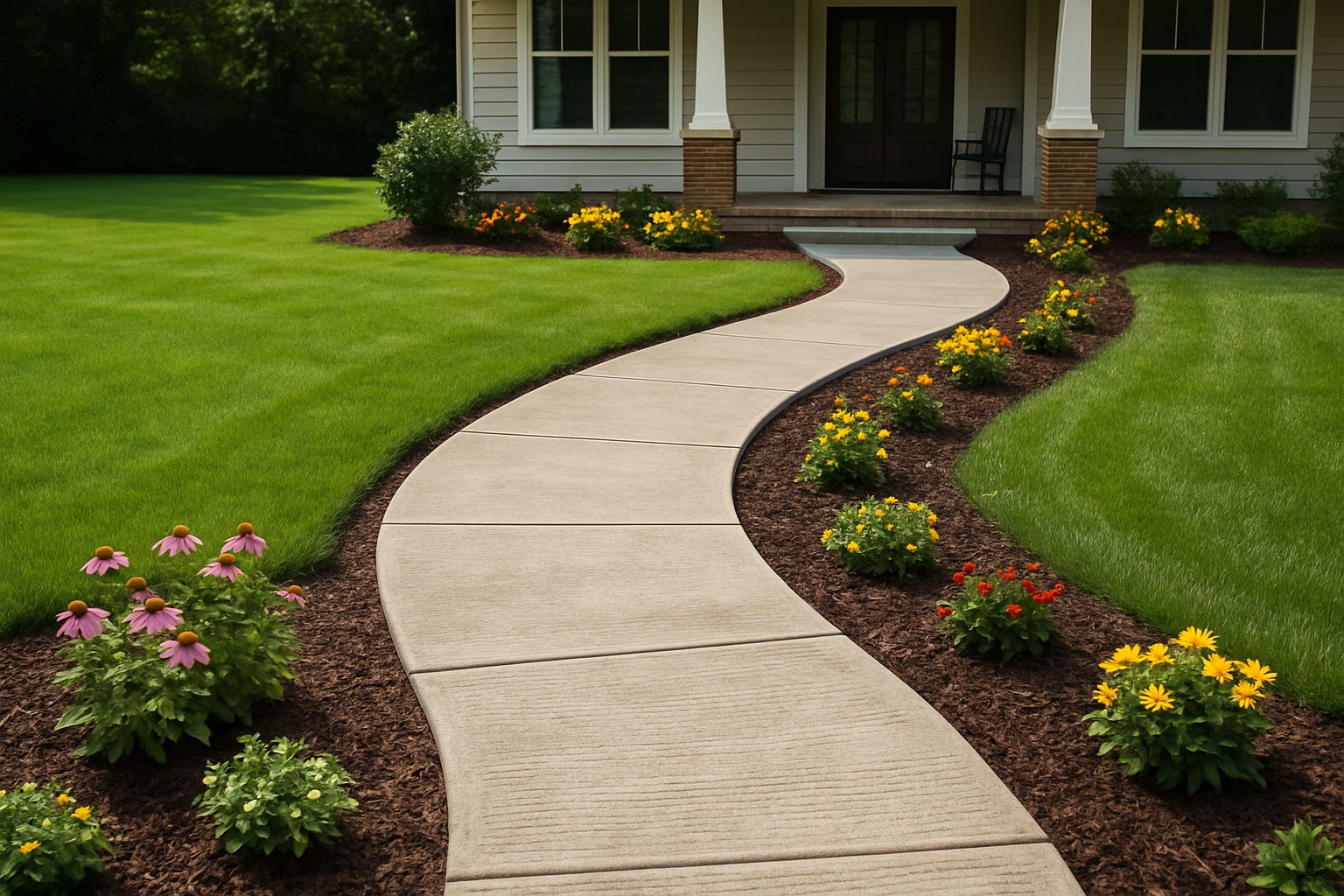
Your home’s outdoor surfaces are more than just functional—they are investments in longevity, safety, and daily ease. Whether it’s the driveway that welcomes you home or the walkways guiding your guests to the front door, these surfaces experience constant wear. That’s where hardscaping steps in—not just as an aesthetic element but as the backbone of outdoor utility. When done right, it increases property value, reduces maintenance, and ensures the exterior of your home stands strong through the seasons.
Concrete driveways are trusted across the country for their strength and resilience. But not all concrete installations are created equal. Climate plays a significant role in how well your driveway holds up over time. From the humid summers of the Southeast to the snow-laden winters of the North, different environments bring unique challenges. This article dives into how homeowners can prevent cracking, sinking, and damage—no matter the weather—with smart planning, professional installation, and ongoing care.
Understanding the Enemies: Weather vs. Concrete
Concrete is strong—but it’s also porous and reactive to temperature changes. As moisture seeps into tiny surface pores, it can freeze in colder climates and expand, leading to internal pressure and cracks. In hot, humid regions like the Carolinas, heat can cause expansion followed by shrinkage during cooler evenings. Without proper joint placement and curing techniques, this thermal movement results in hairline fractures and surface degradation.
Soil movement is another key culprit. In areas with expansive clay soils or frequent rainfall, the subgrade beneath the concrete may swell or settle, causing unevenness, dips, or even breakage. Without a stable and well-compacted base, your concrete slab becomes vulnerable, no matter how well it’s poured.
Smart Solutions for a Climate-Resilient Driveway
Proper subbase preparation is everything. Before a single drop of concrete is poured, contractors must excavate to the right depth and lay a compacted base of crushed stone or gravel. This foundation prevents water pooling and distributes weight evenly across the slab. In regions prone to frost heave or soil shifting, geotextile fabric or a thicker base may be required for added stability.
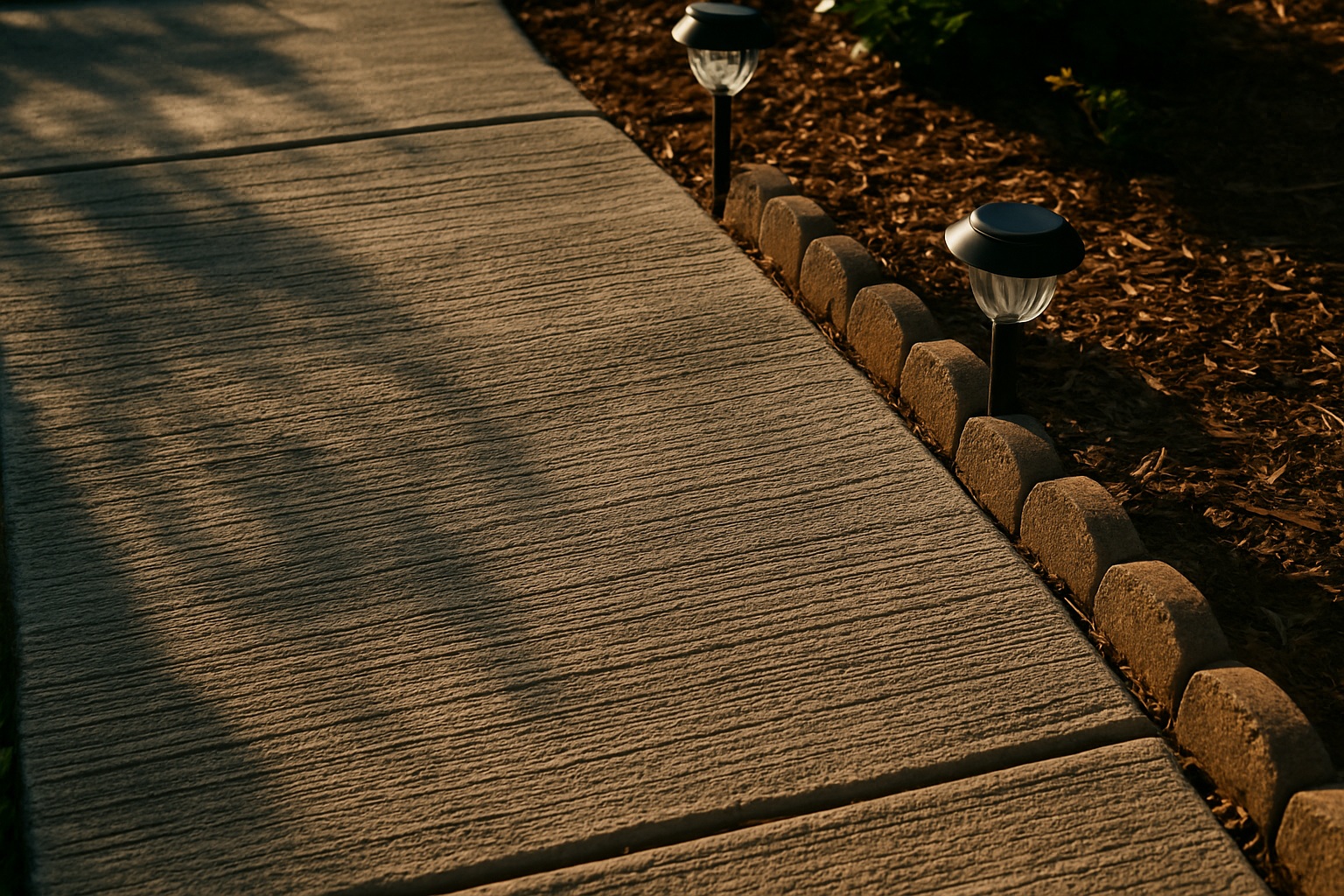
Control joints are your driveway’s best defense. These are intentional, strategic cuts placed in the concrete to control where cracking occurs. Instead of random spider cracks, joints allow the concrete to expand and contract safely. They should be cut to a depth of at least ¼ of the slab thickness and spaced according to the width of the driveway—typically every 10–12 feet.
Air-entrained concrete is a must for cold climates. Tiny air bubbles are introduced into the mix to provide space for freezing water to expand without damaging the concrete matrix. This small adjustment significantly boosts the material’s freeze-thaw durability, making it the industry standard in northern regions.
Proper curing seals the deal. Rushed or improper curing is one of the biggest mistakes in concrete work. The curing process—typically 7 days minimum—allows the concrete to reach maximum strength. During this period, the surface must be kept moist and protected from rapid drying, which causes surface shrinkage and cracking. In summer, misting or wet coverings are used; in winter, insulated blankets may be needed.
Maintenance for Long-Term Climate Defense
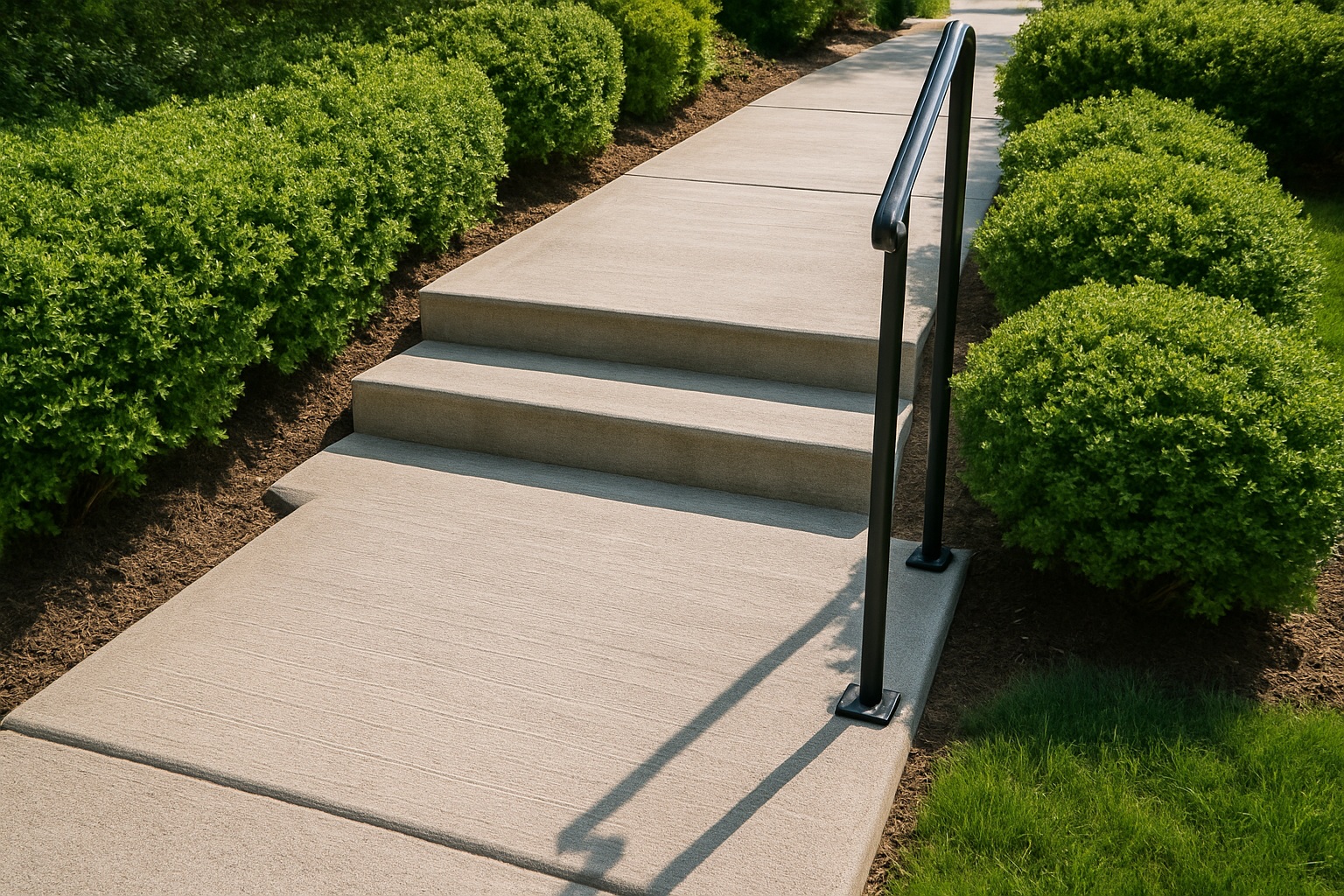
Seal your concrete every 3 to 5 years. A high-quality concrete sealer acts as a protective layer against water, chemicals, de-icing salts, and oil spills. In freeze-prone areas, sealing is especially important before winter to prevent water intrusion and freeze damage. Acrylic sealers work well for broom-finished surfaces, offering breathability while maintaining protection.
Clear snow and debris quickly. Avoid using metal shovels that may scratch the surface, and steer clear of salt-based de-icers that break down concrete over time. Instead, opt for calcium magnesium acetate (CMA) or sand for traction. Keeping your driveway clean and dry also reduces the risk of algae, mold, and discoloration in humid environments.
Inspect for early signs of damage. Small cracks can be filled with flexible sealants before they widen. Watch for pooling water after rains—this may signal improper drainage or subbase shifting. Addressing minor issues promptly prevents larger, costlier repairs down the line.
One Driveway, Built to Withstand All Seasons
A concrete driveway, when installed and maintained correctly, can endure the harshest of climates—from salty coastal air to icy northern winters. The key lies in choosing the right materials, following expert installation practices, and taking proactive care throughout the year. When climate-specific methods are followed, your driveway not only lasts for decades but also maintains its strength, function, and clean appearance.
At Precision Hardscape & Construction, we understand the challenges that South Carolina weather brings—and we know how to build for it. From stable base preparation to finishing touches, we create concrete driveways designed to last through heat, humidity, and the unexpected. Call (843) 222-5377 or visit www.precisionhardscapeconstruction.com to book a free consultation and let us build your driveway the right way.