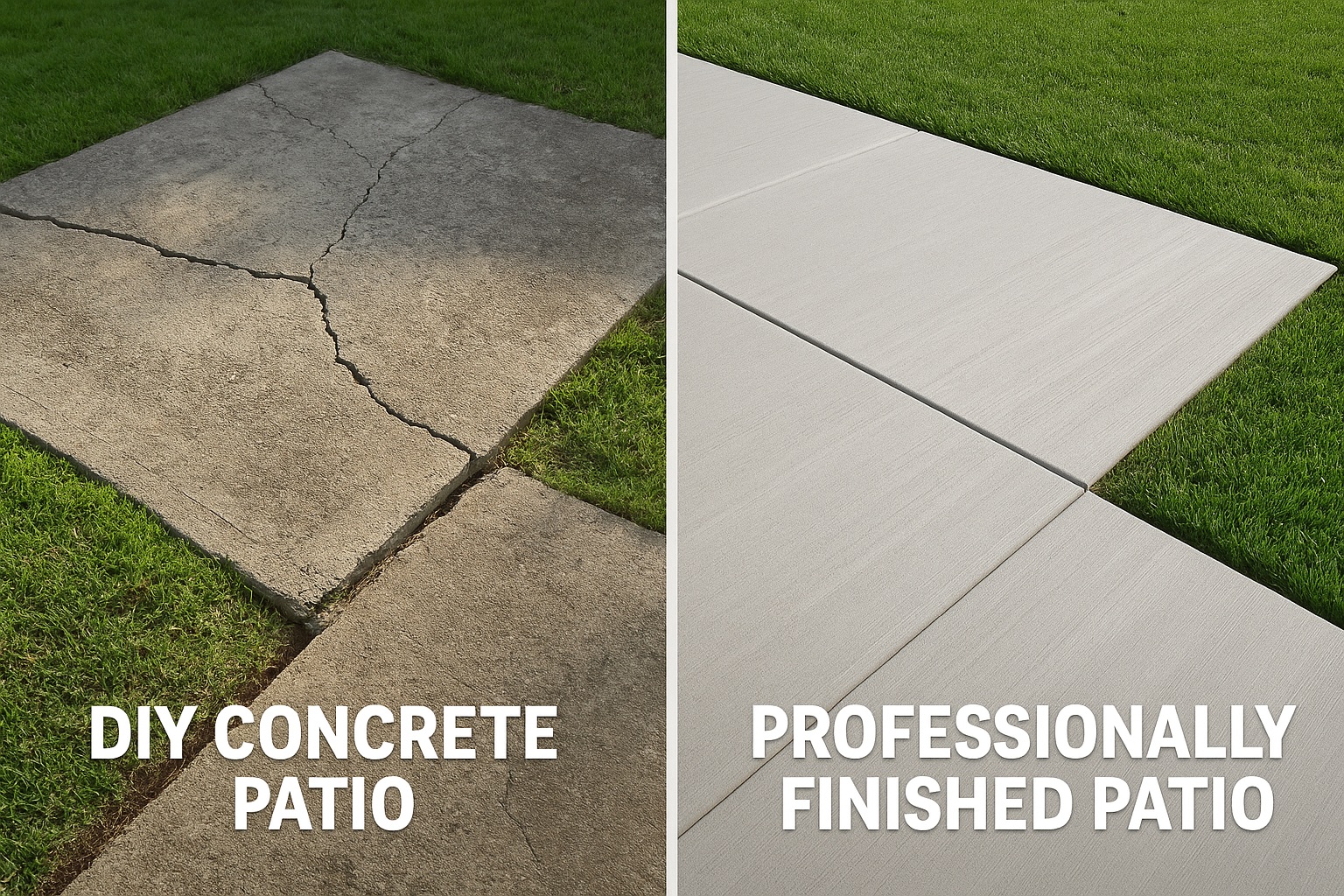
Concrete is the backbone of every great hardscape. Whether it’s a patio, driveway, or walkway, concrete offers strength, durability, and low maintenance. But the process of pouring and finishing concrete is both an art and a science. It may look simple—just mix, pour, level, and wait—but the difference between a long-lasting, beautiful concrete slab and a cracked, uneven eyesore often comes down to who installs it.
Choosing between DIY and professional concrete installation is a big decision. While many homeowners are tempted to save money by taking on the task themselves, it’s important to understand the risks, requirements, and long-term implications before jumping in. In this article, we’ll explore the differences between doing it yourself and hiring an expert—so you can make an informed decision that aligns with your goals, skill level, and budget.
What’s Involved in a Concrete Installation Project
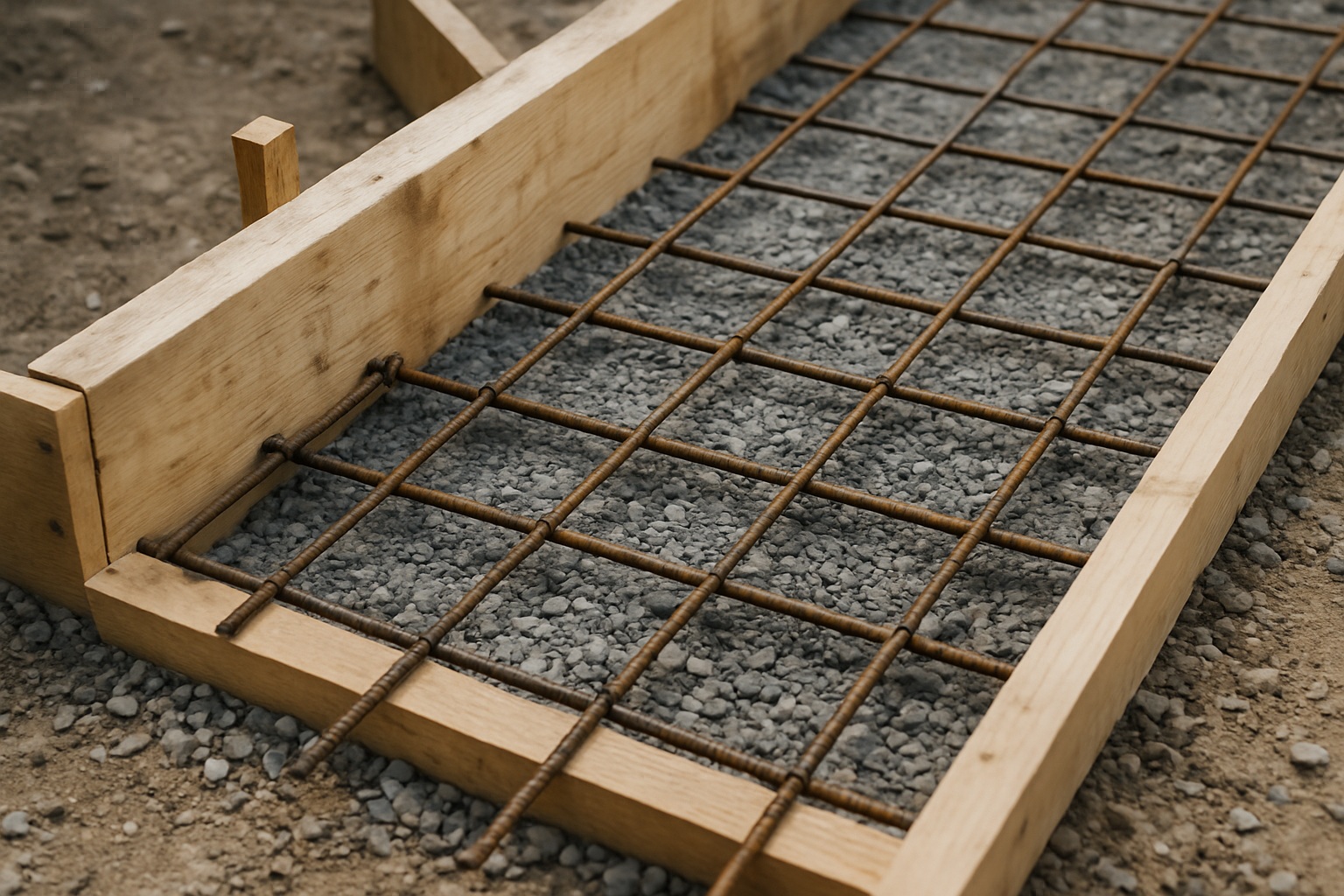
Laying concrete is more than just pouring a bag of mix into a wheelbarrow. It requires planning, grading, form-building, calculating proper slope, mixing to the right ratio, placing rebar or mesh for support, pouring evenly, finishing correctly, and ensuring proper curing. Miss a step—or do it wrong—and you risk cracks, puddles, poor drainage, or even structural failure.
Professionals take care of:
-
Site preparation and excavation
-
Compacted gravel base and grading
-
Formwork construction
-
Steel reinforcement (wire mesh or rebar)
-
Proper concrete mix and delivery scheduling
-
Timed pouring and finishing techniques
-
Edge tooling, joint placement, and surface finishing
-
Cure protection (to avoid early drying and surface cracks)
The equipment required is also substantial. Most professionals use power tampers, laser levels, bull floats, screeds, power trowels, and saws for control joints. Renting this equipment adds to the cost of DIY—and requires know-how to use it properly.
When DIY Might Make Sense (and When It Doesn’t)
DIY concrete projects may be suitable for very small jobs, like a garden stepping stone path or a small utility slab under 50 square feet. If you have prior experience with concrete, access to the right tools, and a forgiving layout, you can potentially tackle it yourself—especially with pre-mixed bags and simple wooden forms.
But for anything larger—a driveway, a patio, or a walkway serving regular foot traffic—DIY becomes risky. Here’s why:
-
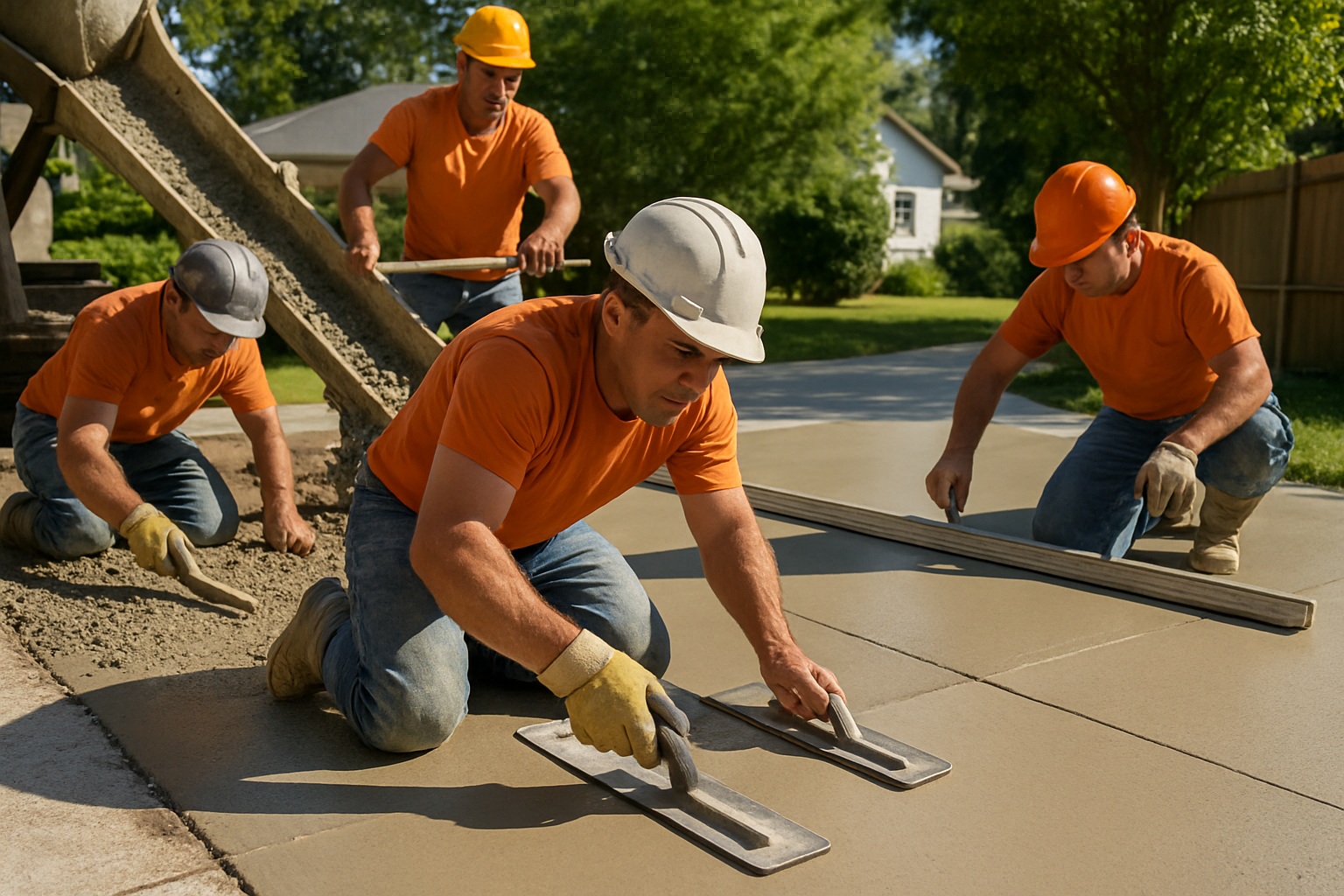
Concrete sets quickly. You only have a short working window to pour, spread, float, and finish before it hardens. If your team is too small or inexperienced, you’ll likely end up with uneven surfaces, improper slopes, or poor joints.
-
Drainage mistakes are common. Concrete must be sloped (typically 1/8 to 1/4 inch per foot) away from the home to prevent water pooling or basement leaks. Getting this wrong can lead to expensive water damage and repairs.
-
Structural problems don’t show up right away. A DIY slab might look decent at first—but over time, inadequate base prep, improper curing, or poor reinforcement will result in cracking, shifting, or spalling.
-
There’s no warranty. If the concrete cracks in 6 months or begins to crumble, you’re on your own.
Why Professional Installation Pays Off
A professional concrete contractor brings more than tools—they bring expertise. That expertise ensures every step is executed correctly, from soil compaction to joint placement. Professionals also know how to adjust for weather, temperature, moisture levels, and local building codes.
Key advantages include:
-
Durability: Professionally installed concrete lasts 30–40 years with minimal repairs
-
Proper reinforcement: Prevents cracking and structural failure
-
Perfect finishing: Smooth, even texture with proper control joints and edging
-
Efficient project timelines: Done in 1–2 days vs. drawn-out DIY projects
-
Guaranteed results: Most reputable contractors offer a warranty or workmanship guarantee
Professionals can also help homeowners select the right finish, layout, and drainage strategy for their specific property, taking factors like soil type and climate into account. Ultimately, this reduces long-term costs by preventing premature repairs and replacements.
Weighing Your Options for a Solid Result
DIY can be rewarding—but only when the project is small, simple, and within your skill set. For most residential concrete installations, especially those visible from the street or attached to the home, hiring a professional ensures better results, longer lifespan, and far fewer headaches.
Precision Hardscape & Construction specializes in high-quality concrete installations that look great and stand the test of time. Whether it’s a new driveway, patio, or walkway, our experienced team will handle every step with precision and care. Call (843) 222-5377 or visit www.precisionhardscapeconstruction.com to get a quote or schedule your project today.