
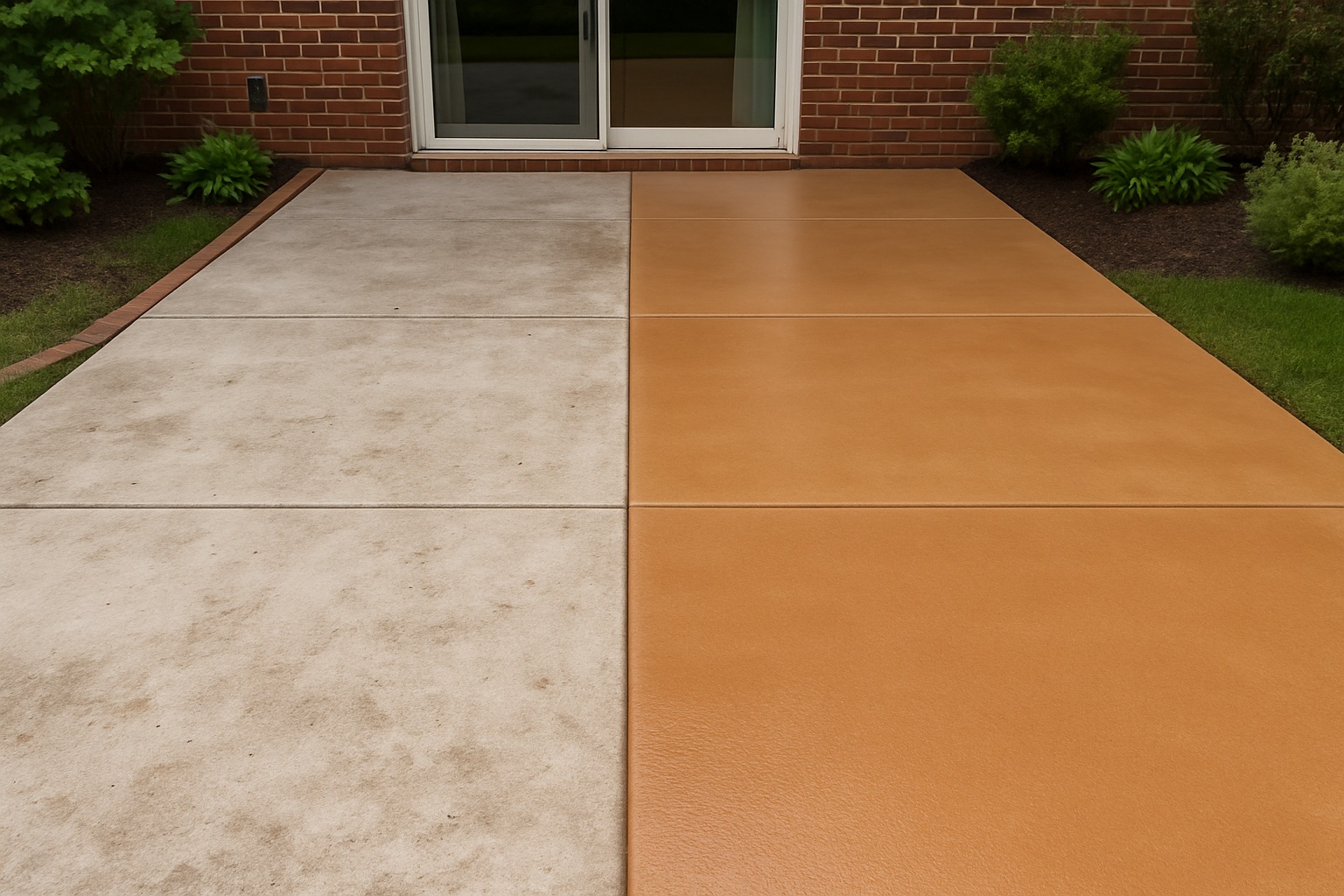
In the world of landscaping and hardscaping, form must always meet function. It’s not enough to have beautifully shaped patios or smooth walkways—they must also endure the elements, resist wear, and maintain their appearance over time. This is especially true for surfaces like concrete driveways and paths, which bear the brunt of daily traffic, weather, and environmental exposure. Durable design doesn’t end when the concrete sets; it continues with how you maintain and protect that surface.
Sealing and protecting plain concrete is one of the most important steps homeowners can take to ensure their investment stands the test of time. Without protection, even the strongest concrete is vulnerable to moisture, cracking, stains, and surface erosion. Fortunately, proper sealing is a straightforward process that delivers long-term benefits. In this article, you’ll learn exactly when, why, and how to seal and protect concrete driveways, patios, and walkways for maximum durability and appearance.
Why Concrete Needs Sealing and What Happens Without It
Concrete is porous by nature. That means it readily absorbs water, oils, chemicals, and dirt—especially during heavy rain or seasonal weather changes. Over time, this leads to surface discoloration, cracking, and deterioration. In colder climates, absorbed water freezes and expands, causing scaling or spalling (surface flaking). In warm, humid regions like the Carolinas, excess moisture encourages mold and algae growth that can stain and make surfaces slippery.
UV rays can also degrade concrete over time. Even plain gray concrete will lighten, chalk, or fade when unsealed and exposed to direct sun. Oil leaks from vehicles, lawn fertilizers, salt, and household cleaners can leave permanent stains that become almost impossible to remove.
Sealing creates a protective barrier—blocking contaminants while allowing moisture vapor to escape from within the concrete. It’s not just a cosmetic fix; it’s a vital layer of defense that keeps your driveway, walkway, or patio stronger and cleaner for years.
Choosing the Right Sealer for Your Surface and Climate
There are two main types of concrete sealers: penetrating sealers and film-forming sealers. Each offers unique advantages depending on the application.
-
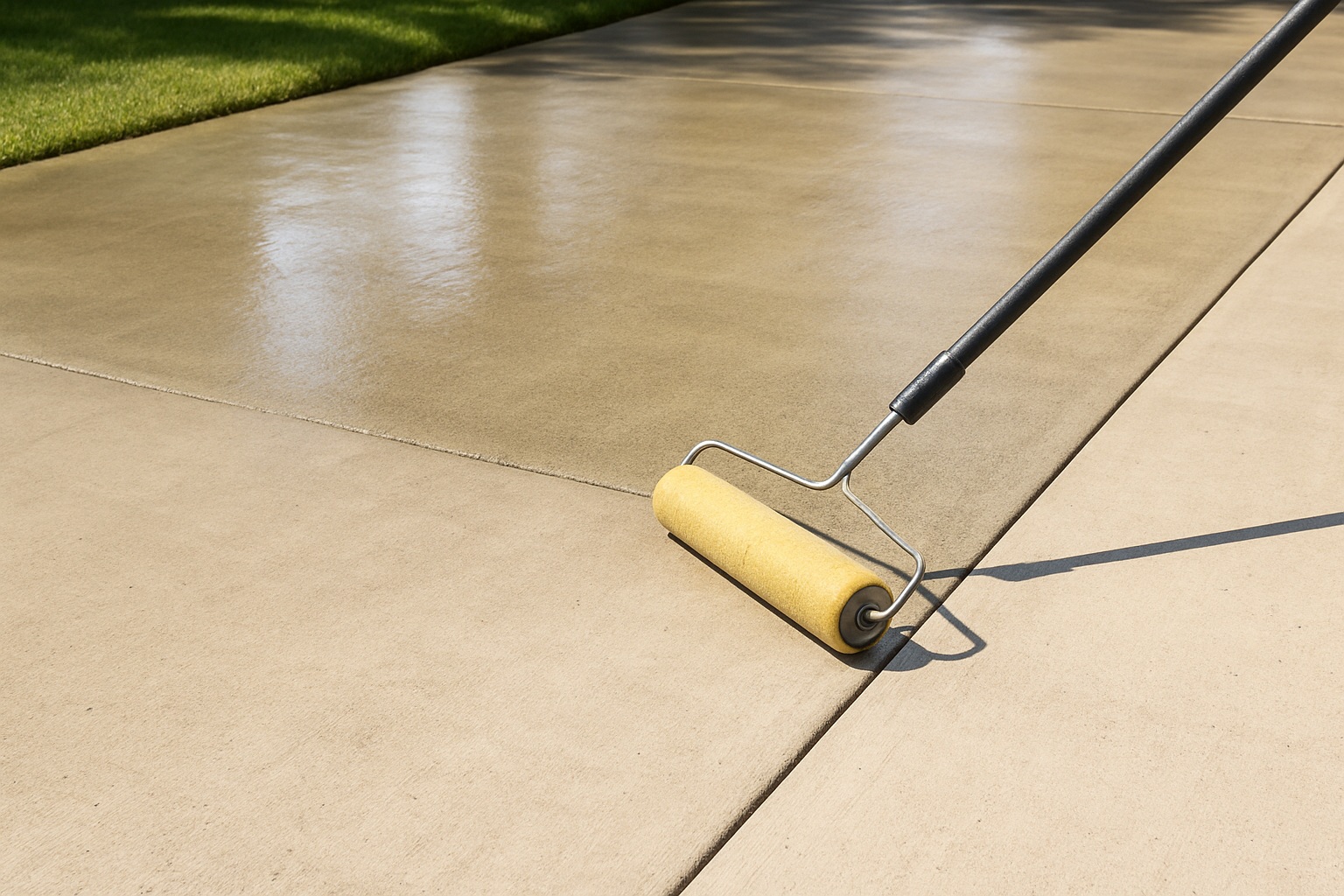
Penetrating Sealers (such as silane, siloxane, or silicate): These soak into the concrete and form a chemical bond inside the pores. They’re ideal for outdoor flatwork like driveways and sidewalks because they offer long-lasting protection without changing the appearance of the surface. They’re also highly resistant to de-icing chemicals and freeze-thaw cycles.
-
Film-Forming Sealers (acrylic, polyurethane, epoxy): These create a visible layer on top of the concrete, enhancing the appearance by giving it a wet look or glossy finish. While beautiful, they’re typically more suited for decorative concrete or indoor spaces, as they may become slippery when wet and wear faster under UV exposure.
For plain concrete driveways and patios, a penetrating, water-repellent sealer is usually the best choice. It preserves the natural look of the surface while providing outstanding protection against weather, stains, and moisture damage.
Timing matters. Concrete should be sealed at least 28 days after pouring to allow it to fully cure. For older concrete, clean thoroughly and allow it to dry completely before applying sealer. Ideally, sealing should be done on a dry, mild day between 50–90°F for best absorption and curing.
Step-by-Step: How to Seal a Concrete Driveway, Walkway, or Patio
-
Clean the surface thoroughly.
Remove all dirt, oil stains, grease, mold, and mildew using a pressure washer and a concrete cleaner or degreaser. Let the surface dry completely—typically 24–48 hours. -
Choose the right sealer.
For outdoor plain concrete, look for a penetrating silane/siloxane blend designed for driveways and exterior flatwork. Avoid high-gloss sealers for high-traffic outdoor areas. -
Apply with precision.
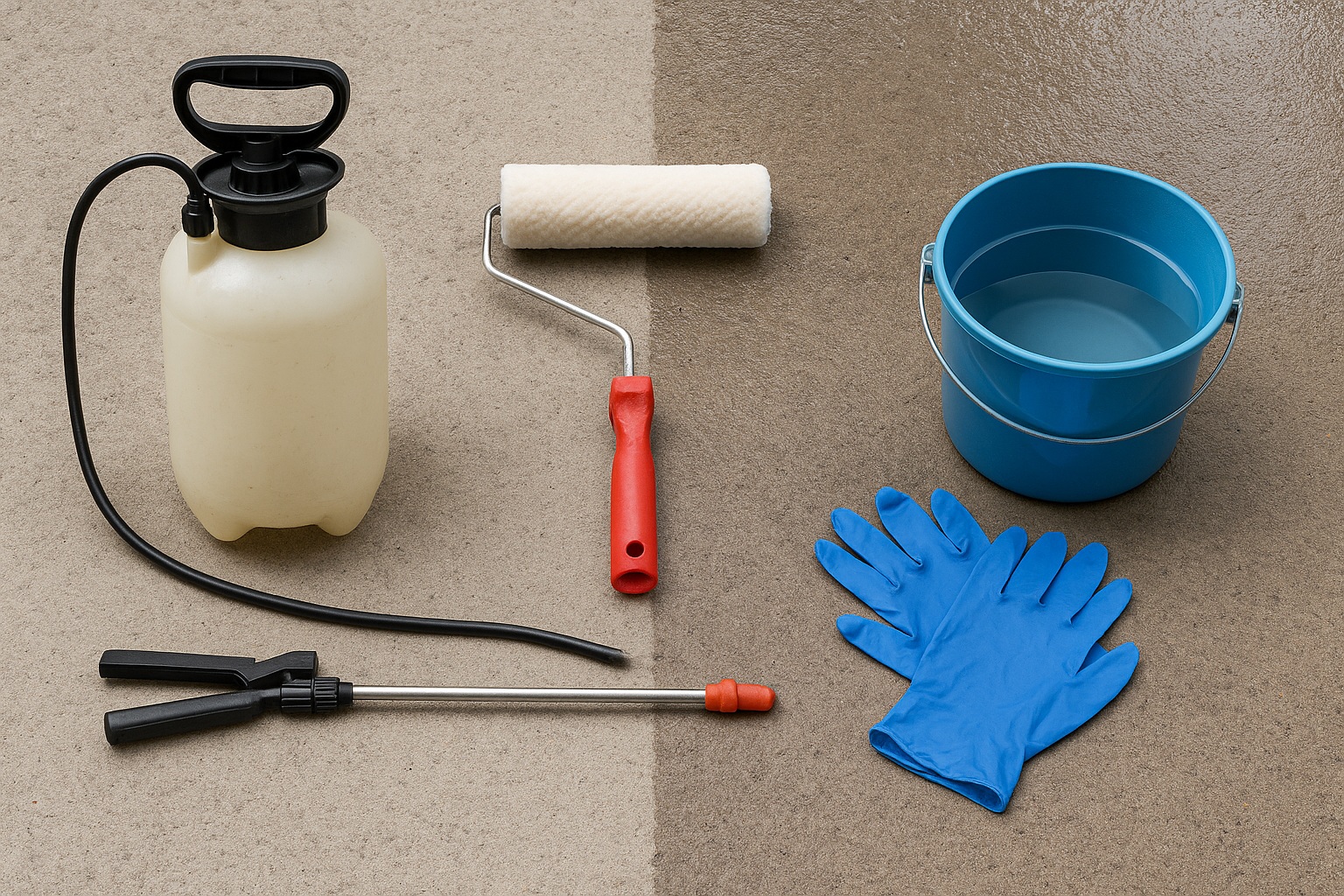
Use a low-pressure sprayer or roller to apply the sealer in thin, even coats. Overlapping strokes help prevent missed areas. Be careful not to oversaturate, which can leave blotchy or sticky spots. -
Let it cure.
Most sealers require 24–48 hours to fully cure, during which the surface should remain dry and unused. No walking, no driving, no watering. -
Reapply as needed.
Most sealers protect for 3–5 years, but driveways with heavy traffic or exposure to harsh conditions may need resealing more often. Test by sprinkling water: if it absorbs immediately, it’s time to reseal.
Maintain Beauty and Performance with One Smart Step
Concrete surfaces may look tough, but they benefit enormously from proactive care and sealing. Whether it’s a crisp new patio, a high-traffic driveway, or a winding walkway, sealing helps preserve their strength, resist the elements, and retain their fresh appearance year after year. It’s a low-cost maintenance task that pays off by extending the life and beauty of your hardscape.
Precision Hardscape & Construction provides expert guidance and services for concrete installation, sealing, and repair. Our team is here to help you protect your investment and enjoy your outdoor surfaces for decades. Call (843) 222-5377 or visit www.precisionhardscapeconstruction.com to schedule a consultation or maintenance service for your concrete driveway, walkway, or patio.