
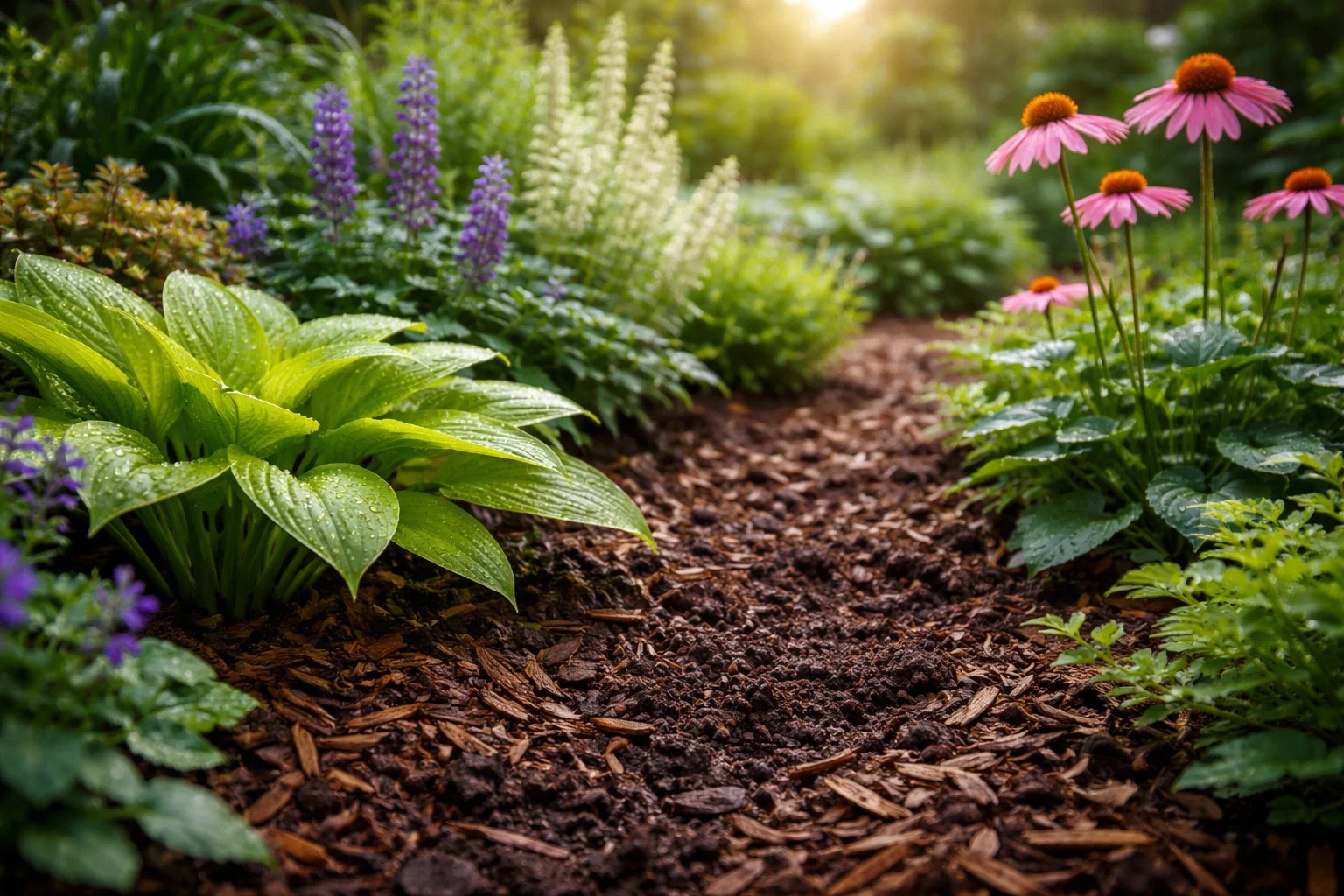
In North Carolina, summer heat brings not only intense sunshine but also skyrocketing water use. Many homeowners are surprised to see their water bills double or even triple during the warm months, largely due to increased irrigation needs. What most don’t realize is that planting before the summer heat is one of the most effective ways to dramatically reduce water consumption while building a healthier, more resilient landscape.
Spring planting allows plants to establish naturally, conserve moisture more efficiently, and thrive with less dependence on constant watering — benefiting both your budget and the environment.
Why Summer Planting Requires Excessive Watering
New plants installed during summer face immediate stress. High temperatures cause rapid evaporation, shallow root growth, and increased transpiration. As a result, homeowners must water frequently just to keep plants alive.
This leads to:
- Daily or near-daily irrigation
- Heavy reliance on sprinkler systems
- Increased runoff and water waste
- Rapid soil drying
Without established root systems, plants simply cannot access deeper moisture reserves, forcing constant surface watering.
How Spring Planting Builds Natural Drought Resistance
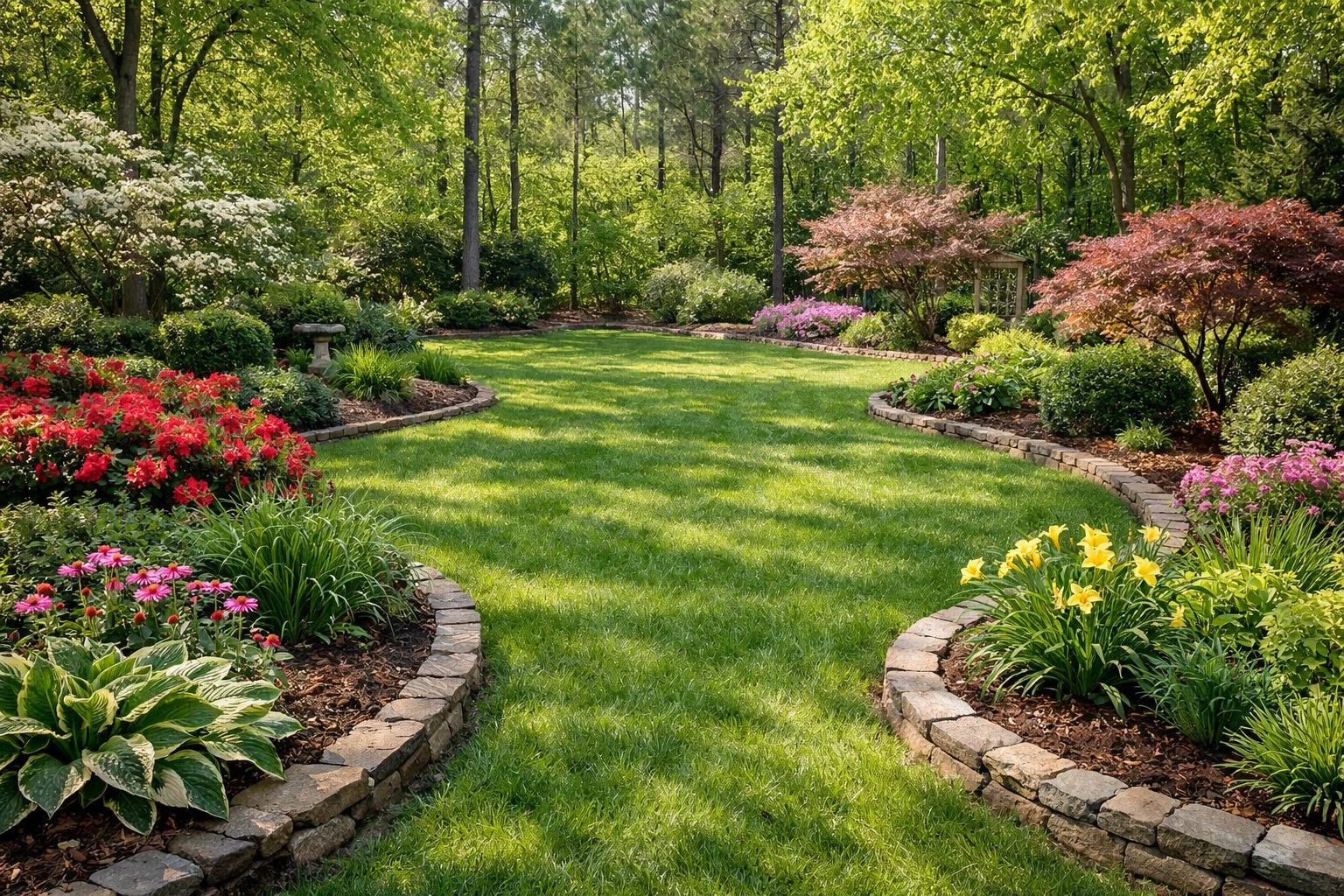
When plants are installed in spring, they experience mild temperatures and consistent rainfall, allowing roots to grow deep into the soil profile. This deeper root development enables plants to tap into underground moisture reserves long after surface soil dries.
Benefits include:
- Improved drought tolerance
- Reduced irrigation frequency
- Greater resistance to heat stress
- Stronger, healthier foliage
Plants that root deeply in spring become naturally resilient through summer.
Healthier Soil = Better Water Retention
Spring planting allows soil to be properly prepared and amended, improving its structure and moisture-holding capacity. Healthy soil acts like a sponge, storing water and releasing it slowly to plant roots.
This results in:
- Less runoff
- Improved nutrient absorption
- Balanced moisture levels
- Reduced erosion
Soil preparation done early sets the stage for long-term water efficiency.
Lower Irrigation Demand Means Lower Utility Bills
Because spring-planted landscapes establish naturally, homeowners can significantly reduce irrigation frequency once summer arrives.
Lower watering needs translate directly into:
- Reduced monthly water bills
- Lower electricity costs for pumps and sprinkler systems
- Less wear on irrigation equipment
Over time, these savings become substantial — especially for larger properties.
Environmental Benefits of Smart Planting Timing
Water conservation is more important than ever. Spring planting contributes to sustainability by:
- Reducing unnecessary water waste
- Limiting chemical runoff
- Protecting groundwater supplies
- Supporting healthier local ecosystems
A landscape that thrives naturally benefits not just your property, but the surrounding environment as well.
Building Landscapes That Work With Nature — Not Against It
Professional landscaping is about working in harmony with climate patterns, not fighting them. By aligning planting schedules with North Carolina’s natural growing cycles, homeowners enjoy landscapes that require less effort, fewer resources, and deliver superior beauty.
Let Precision Hardscape & Construction Design a Smarter Landscape
At Precision Hardscape & Construction, we specialize in creating water-efficient landscapes tailored to North Carolina’s climate. Our planting strategies focus on long-term health, sustainability, and cost savings — without sacrificing beauty.
📞 Call Matt Jones at (843) 222-5377
🌐 Visit www.precisionhardscapeconstruction.com
Schedule your consultation today and discover how smart timing can dramatically improve your landscape.