
The Hidden Strength of Your Outdoor Spaces
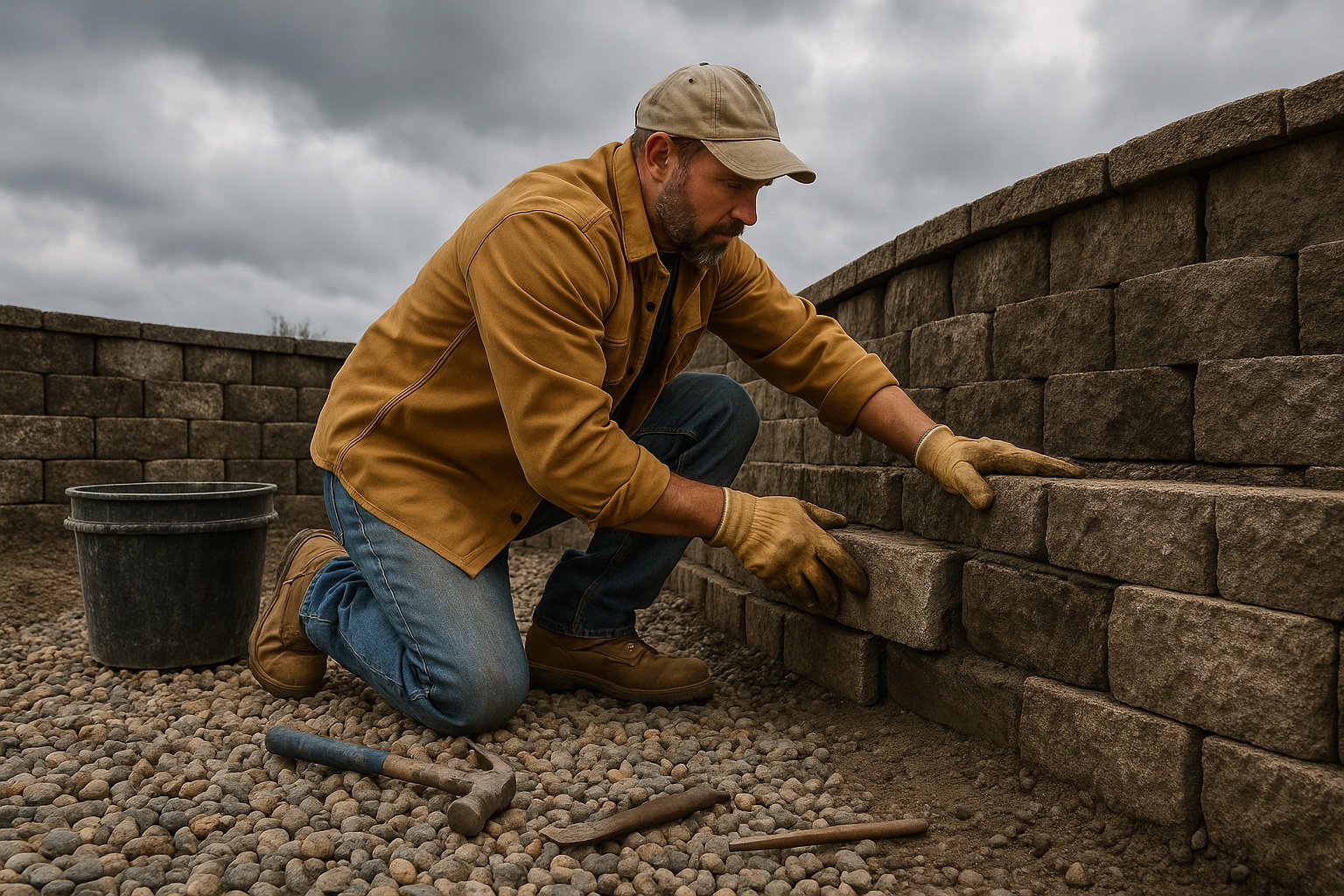
Every outdoor living space tells a story—of sunny gatherings, quiet evenings, and the craftsmanship that went into creating it. From patios and walkways to retaining walls and decorative stone features, your hardscape adds both beauty and functionality to your property. But when nature strikes, even the strongest surfaces can suffer. Heavy rains, flooding, and high winds can shift soil, erode foundations, and dislodge materials. That’s why post-storm hardscape recovery is essential to maintaining both the safety and appearance of your property.
After a severe weather event, it’s not just about clearing debris—it’s about identifying underlying structural issues that could worsen over time. Whether you’re a seasoned homeowner or new to managing storm damage, understanding what to look for and when to seek help can make all the difference between a quick fix and costly repairs.
Step One: Safety First and the Initial Inspection
Before beginning any cleanup or repair, safety comes first. After a storm, inspect the area for downed power lines, sharp debris, and unstable structures. Wear protective gloves, boots, and eye gear, and never attempt to move large debris without assistance. If flooding has occurred, wait until standing water has fully receded before entering affected areas.
Once the area is safe, start your initial hardscape inspection. Look for signs of foundation movement—this includes cracks in patios, sinking sections, or separation between adjoining surfaces. Heaved pavers, where stones have lifted due to water pressure beneath the surface, are common after prolonged rainfall or flooding. Check for soil washouts around edges, steps, and retaining walls; these gaps can indicate hidden erosion beneath the surface that compromises stability.
Walk around the property slowly and note any displacement—stones that have shifted, joints that have widened, or retaining walls that appear bowed or leaning. Even small shifts can grow into major problems if not addressed quickly. Take photos and measurements to document the extent of the damage, which can be useful if you decide to call in a professional or file an insurance claim.
Step Two: Cleaning and Stabilizing the Area
Once the immediate hazards are addressed, it’s time to clean and stabilize your hardscape. Begin by removing debris such as branches, leaves, and loose stones. Use a leaf blower or soft-bristle broom to clear dry debris, and a low-pressure hose to rinse off dirt. Avoid using high-pressure washers immediately, as they can drive water deeper into weakened joints or newly exposed areas.
If sediment has settled on stone surfaces, flush it gently with clean water. For thicker mud deposits, a diluted mixture of mild detergent and water can help loosen buildup without harming the surface. Focus on drainage pathways, ensuring they remain clear. Clogged drains and channels are a leading cause of repeat flooding and erosion.
Inspect joint sands or fillers between pavers. Storms often wash these materials away, leaving gaps that allow movement and weed growth. Refill them with polymeric sand, which hardens when activated by water, locking the stones together. For concrete or natural stone patios, check the sealant integrity—if water is pooling or soaking in, the sealer may have worn off and should be reapplied.
When soil has eroded near steps or patio edges, refill those areas with compacted gravel or crushed stone before adding topsoil. This stabilizes the base and prevents future washouts. For minor paver displacement, you can carefully lift, relevel, and reset the stones using fresh sand underneath. However, if entire sections have shifted or the base has collapsed, it’s time to bring in a professional for a full reinstallation.
Step Three: Assessing Structural Damage and Long-Term Risks
After the initial cleanup, take a closer look at the structural components of your hardscape. Retaining walls are particularly vulnerable after heavy rain or flooding. Examine them for bulging, cracking, or leaning—signs that water pressure has built up behind the wall. If you notice water seeping through joints or drainage pipes clogged with sediment, act quickly to prevent a full collapse.
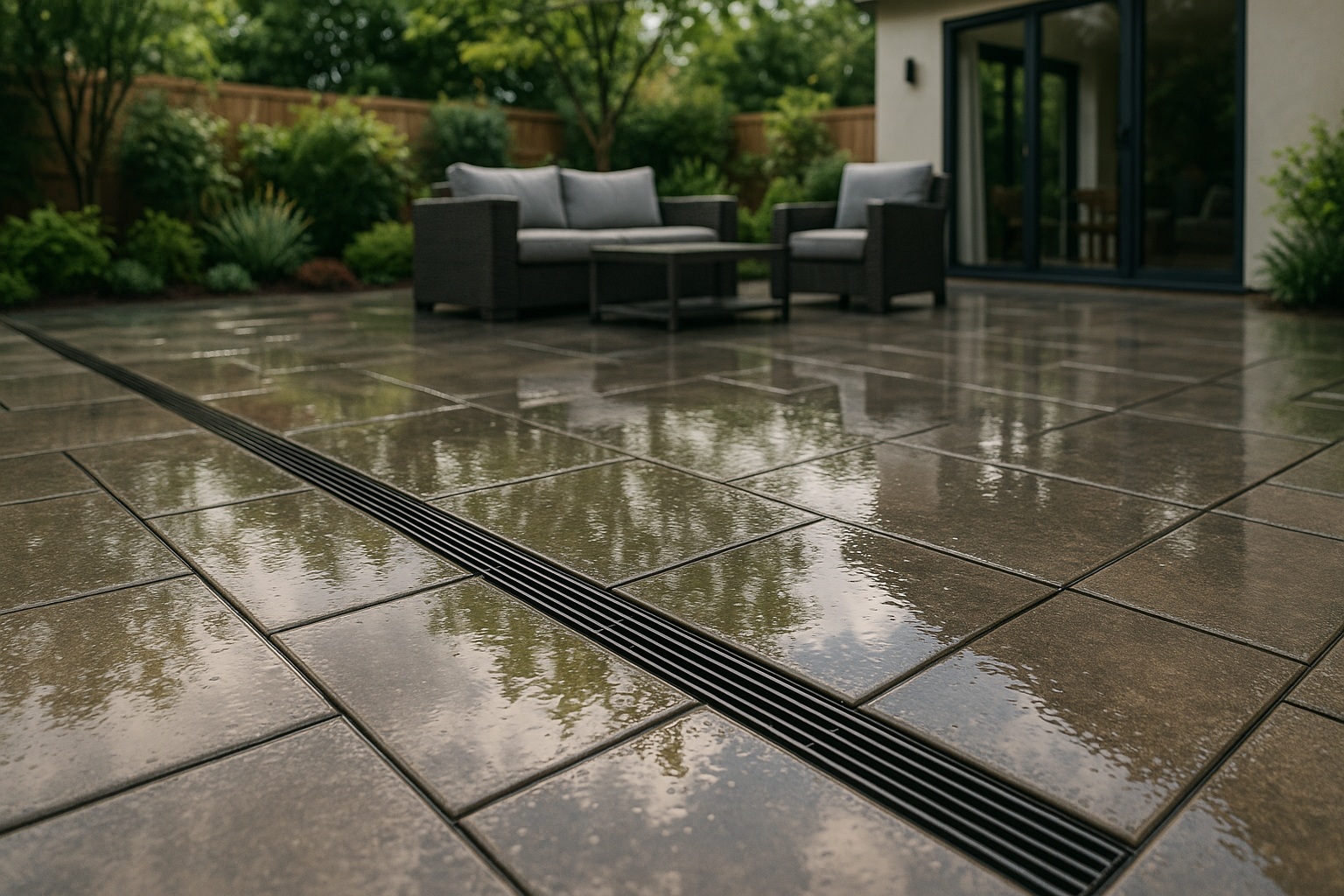
For patios and driveways, uneven settling may indicate drainage problems or a compromised base layer. Pooled water on flat surfaces points to improper slope or blocked outlets. Installing channel drains, French drains, or gravel catch basins can help redirect water and prevent repeat damage.
If your property features natural stone or decorative rock, inspect for loosened mortar or shifted joints. Heavy storm debris can chip or crack surfaces, weakening the stone’s durability. While small chips can often be sealed or patched with epoxy or polymer-based fillers, extensive cracking or foundation damage requires professional evaluation.
Keep an eye out for signs of hydrostatic pressure—the buildup of water under or behind structures. This often reveals itself as damp patches, efflorescence (white powdery residue), or soft soil near the base of walls. Addressing this may involve adding weep holes, subdrains, or gravel backfill to relieve pressure and allow water to escape naturally.
Step Four: When to Call a Professional
Some post-storm issues can be handled with DIY fixes, but others demand professional attention. You should call a hardscape specialist if:
-
Large sections of your patio or walkway have sunk, cracked, or separated.
-
Retaining walls are leaning or showing signs of collapse.
-
There is recurring flooding or poor water drainage near your structures.
-
Soil erosion has exposed footings, foundations, or utility lines.
-
You are unsure about the safety or structural integrity of the installation.
A professional contractor can perform a comprehensive inspection, identify root causes, and design solutions that not only fix the visible damage but also prevent future issues. This may include rebuilding sections with improved drainage, reinforcing retaining walls, replacing base materials, or re-grading slopes for better water flow.
Experienced contractors also use advanced tools like laser leveling, compaction testing, and drainage mapping to ensure repairs are long-lasting. With their help, your property can emerge from the storm stronger than before.
Step Five: Preventing Future Damage
Once your post-storm hardscape recovery is complete, take steps to prevent future damage. Regular maintenance goes a long way—keep gutters and downspouts clear, ensure runoff is directed away from patios and foundations, and reseal stone surfaces every two to three years.
Adding landscape borders, gravel swales, or rain gardens can help manage excess runoff naturally. If you live in a coastal or flood-prone area, consider upgrading to permeable pavers or reinforced retaining walls with built-in drainage systems. These upgrades not only improve durability but also enhance property value and curb appeal.
Think of maintenance as a partnership with nature. While storms can’t be avoided, their impact can be minimized with proactive care and the right design.
Restoring Beauty and Strength with Precision
A well-built hardscape is designed to endure, but even the strongest installations can benefit from professional maintenance after a storm. Prompt inspection, targeted repairs, and proper reinforcement are the keys to ensuring your outdoor spaces remain safe and stunning for years to come.
At Precision Hardscape Construction, we specialize in storm recovery, repair, and reinforcement for patios, retaining walls, walkways, and other outdoor features. Whether your property needs a full restoration or a minor fix, our experienced team provides durable, long-lasting solutions that blend function with craftsmanship.
Call (843) 222-5377 or visit www.PrecisionHardscapeConstruction.com to schedule a post-storm inspection today. Let us help you rebuild stronger, smarter, and more beautiful than ever.