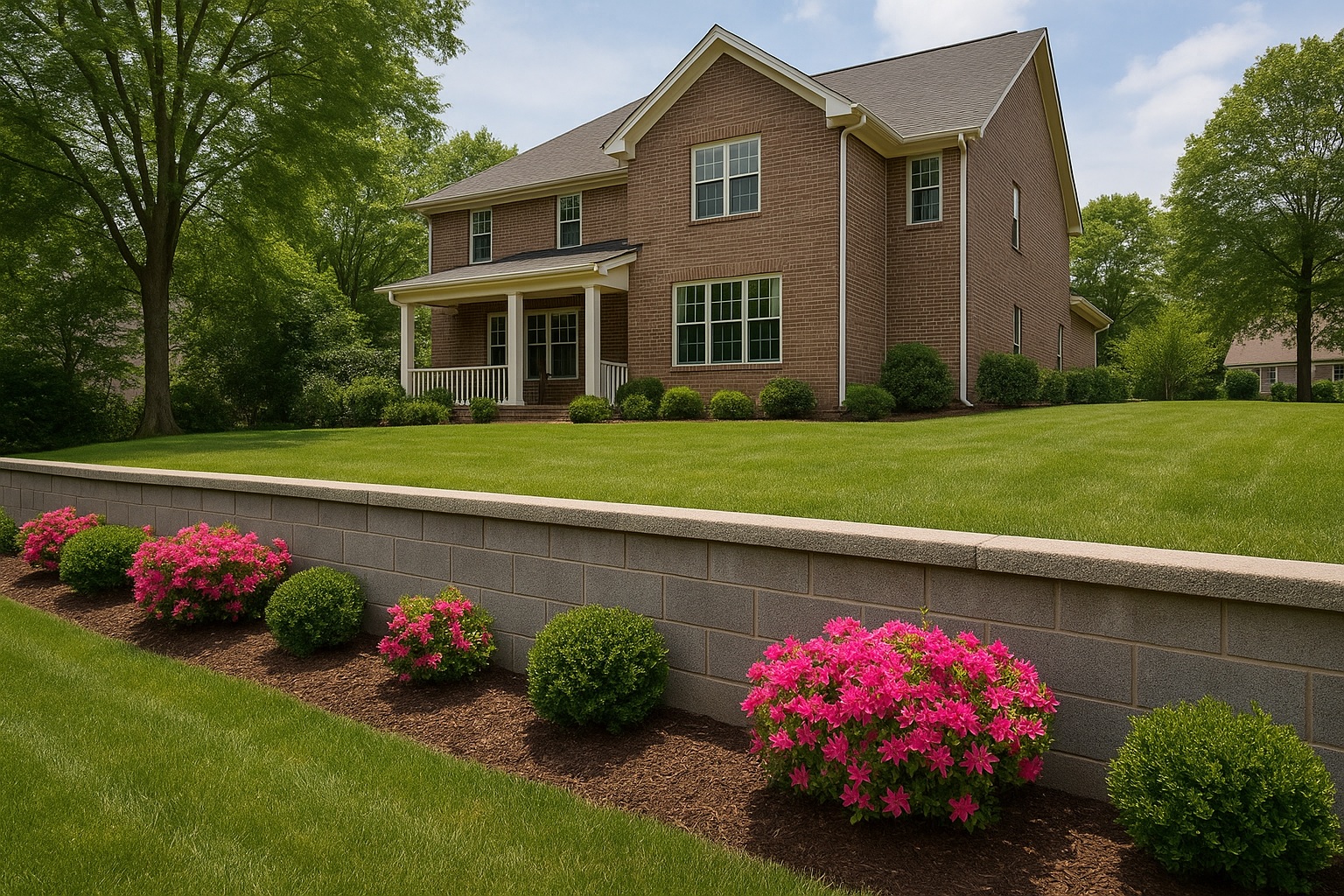
The beauty of a landscape depends on more than just what you plant—it depends on how well the ground supports it. A yard with slopes, uneven levels, or erosion issues needs more than flowers and shrubs. That’s where hardscaping steps in, adding both structure and style. Retaining walls are not just practical barriers; they are design elements that bring order, safety, and charm to outdoor spaces.
Retaining walls built with concrete, stone, or block provide stability and definition while enhancing curb appeal. They prevent soil erosion, create level terraces, and transform hilly or uneven yards into functional, usable areas. Beyond utility, they offer opportunities for creative design—turning a practical feature into an attractive focal point in your outdoor living environment.
The Functional Benefits of Retaining Walls
1. Erosion Control and Slope Management
Sloped yards are vulnerable to soil erosion, especially after heavy rains. Retaining walls hold soil in place, preventing washouts and preserving the integrity of your property. For coastal regions like the Carolinas, where storms are frequent, they’re essential to protect landscapes and foundations.
2. Creating Usable Space
By leveling steep areas, retaining walls open the door for patios, walkways, or gardens where once there was only unusable slope. Multi-level terraces also add depth and character, allowing for distinct outdoor “rooms” in your yard.
3. Protecting Structures and Foundations
Retaining walls redirect water runoff and stabilize soil, reducing hydrostatic pressure against foundations, driveways, and patios. They play a crucial role in safeguarding the investment in your home and hardscapes.
Designing Retaining Walls for Beauty
Material Choices for Style and Strength
-
Concrete block walls: Durable, affordable, and versatile for both straight and curved lines.
-
Poured concrete walls: Modern, sleek, and strong for tall or load-bearing structures.
-
Natural stone walls: Timeless and elegant, blending seamlessly with gardens and traditional homes.
-
Decorative finishes: Stone veneers, textured concrete, or mixed materials for custom designs.
Incorporating Landscaping
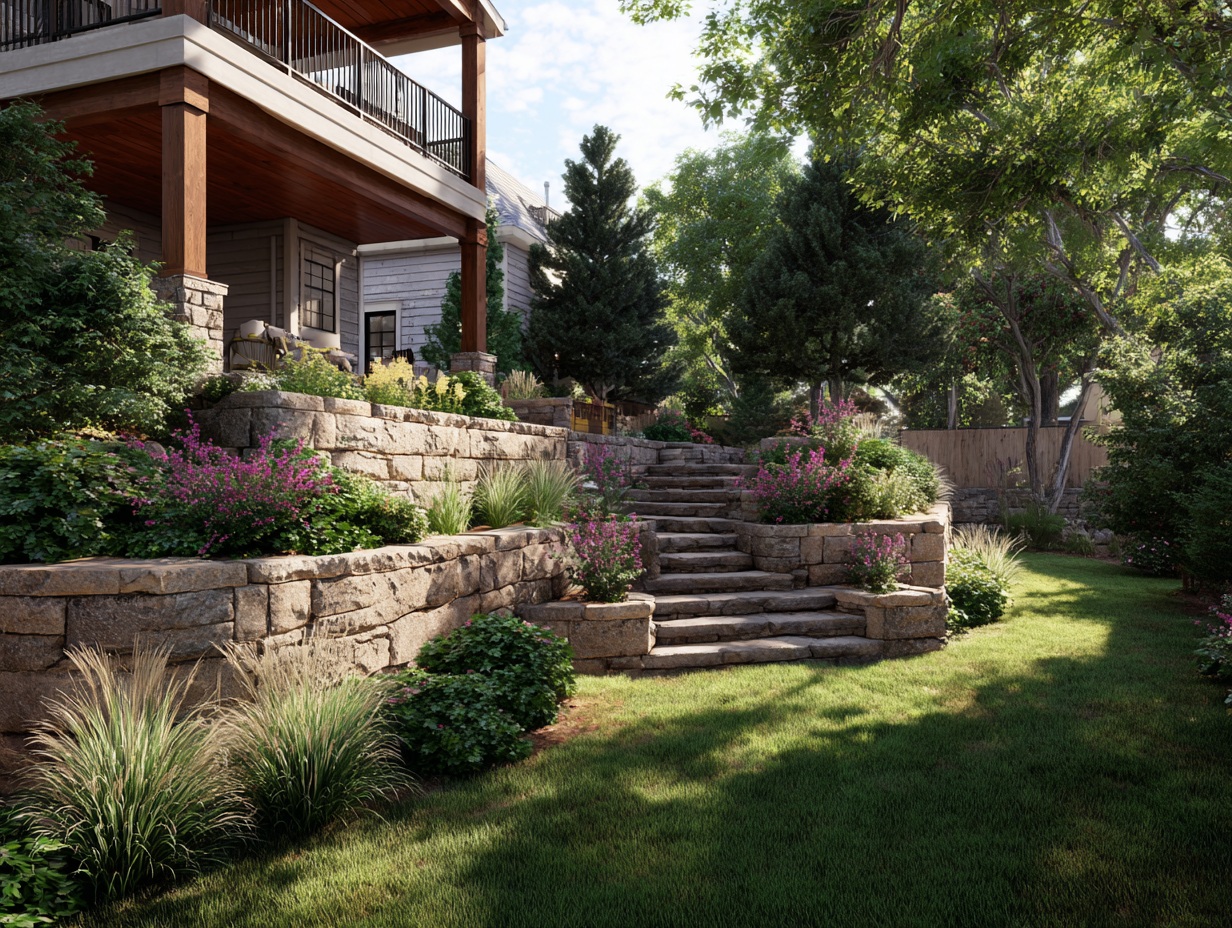
Plantings integrated with retaining walls soften their appearance and add natural beauty. Creeping groundcovers, ornamental grasses, or small shrubs planted along the tiers make the wall feel like part of the garden.
Lighting and Accents
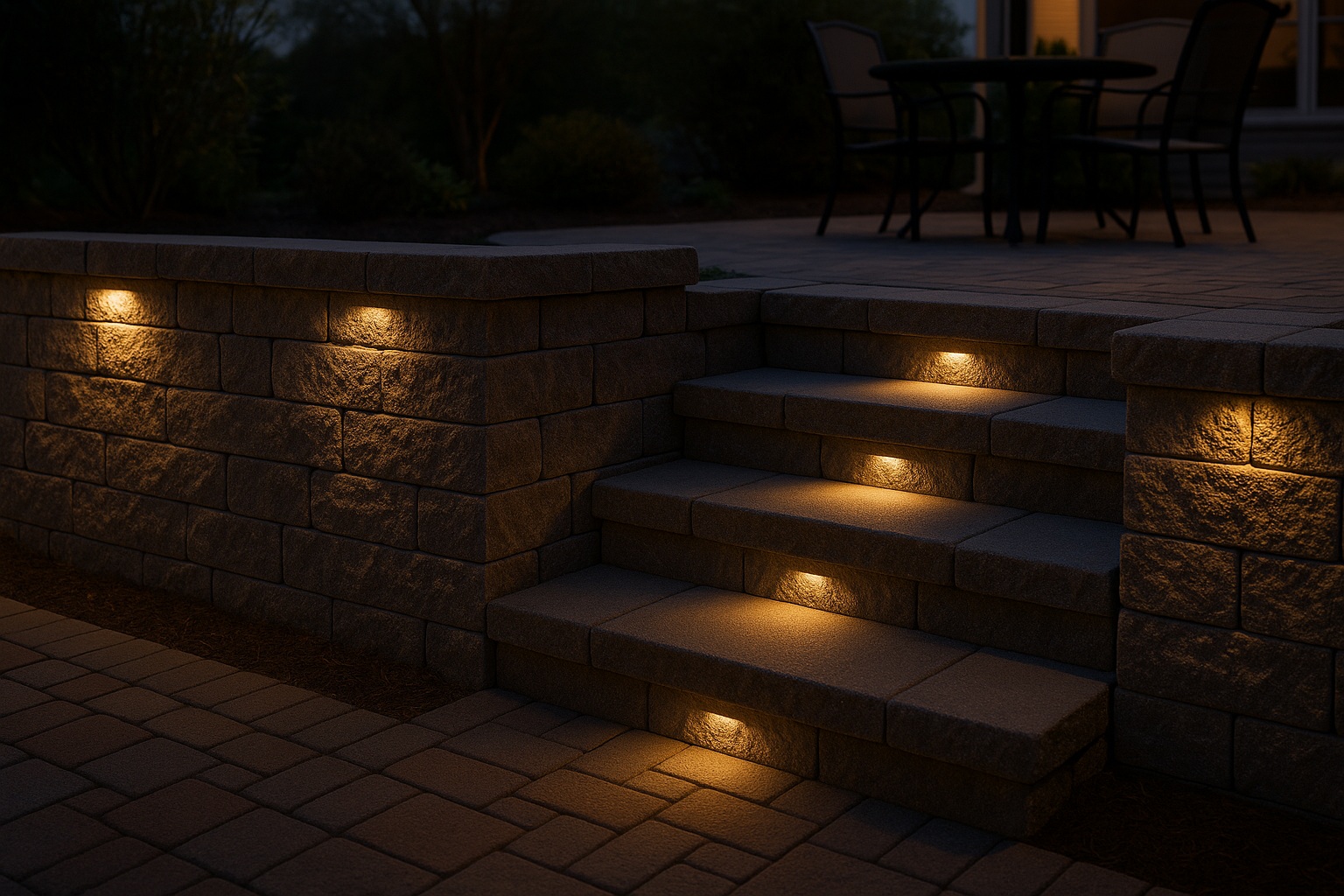
Low-voltage or solar lights built into the wall or positioned along its base enhance safety and create a warm, inviting atmosphere at night. Combined with seating walls, steps, or integrated planters, retaining walls can become the centerpiece of an outdoor retreat.
Why Professional Installation Matters
Engineering is as important as aesthetics. A retaining wall must withstand immense lateral pressure from the soil it holds back. Without proper design, base preparation, drainage, and reinforcement, walls can bow, crack, or collapse. Professional installers ensure:
-
Correct footing depth and compacted base.
-
Adequate drainage systems (gravel backfill and perforated pipe).
-
Proper reinforcement for taller walls.
-
Compliance with local building codes.
Choosing professional installation ensures the wall is not just beautiful but structurally sound for decades to come.
Form Meets Function in Every Wall
Retaining walls are the perfect balance of functionality and style. They protect your property, expand usable space, and add visual structure to your yard. With the right design and materials, they also become architectural features that enhance curb appeal and outdoor living.
At Precision Hardscape & Construction, we specialize in retaining walls that are as strong as they are beautiful. Whether you need erosion control or a stunning garden terrace, we’ll design and build a solution tailored to your property. Call (843) 222-5377 or visit www.precisionhardscapeconstruction.com to schedule a consultation today.