
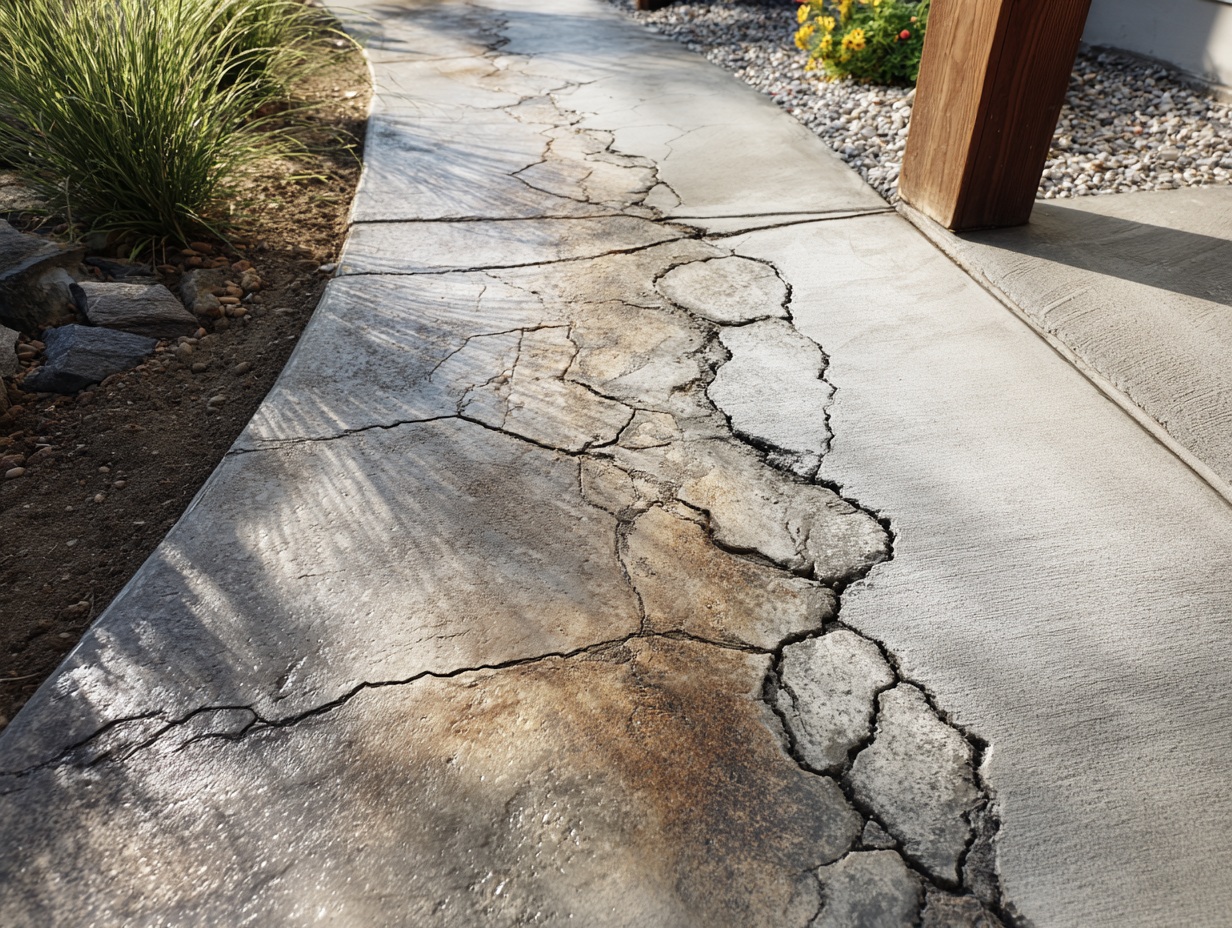
Concrete walkways shape the way people experience your home. They guide guests to your front door, connect patios to gardens, and make outdoor living more practical. While concrete is strong, durable, and versatile, installing it properly is critical. Many homeowners consider tackling walkways themselves to save money, but without the right preparation and techniques, mistakes can shorten the life of the project—or worse, create safety hazards.
DIY concrete work can look deceptively simple, but walkways demand precision. From slope and grading to curing and finishing, every step matters. Below are the most common errors homeowners make when pouring their own walkways—and how professional practices prevent them.
Mistake #1: Skipping Proper Base Preparation
A concrete walkway is only as strong as the base beneath it. Failing to excavate and compact the soil properly leads to uneven settling, cracks, and sinking over time. The correct approach is to:
-
Excavate to the right depth (typically 4–6 inches).
-
Add a layer of compacted crushed stone or gravel.
-
Use a geotextile fabric if soils are weak or prone to shifting.
This stable foundation keeps the slab supported and drains water away from the concrete. Without it, even the best-poured walkway won’t last.
Mistake #2: Ignoring Drainage and Slope
One of the most common DIY errors is pouring a level slab without slope. Walkways must be graded slightly—about ⅛″ per foot—so water runs off instead of pooling. Pooled water encourages cracking, spalling, and algae growth, creating slippery, unsafe surfaces.
Professional contractors calculate slope carefully, ensuring water flows away from homes and foundations while still appearing level to the eye.
Mistake #3: Poor Mixing or Inconsistent Concrete
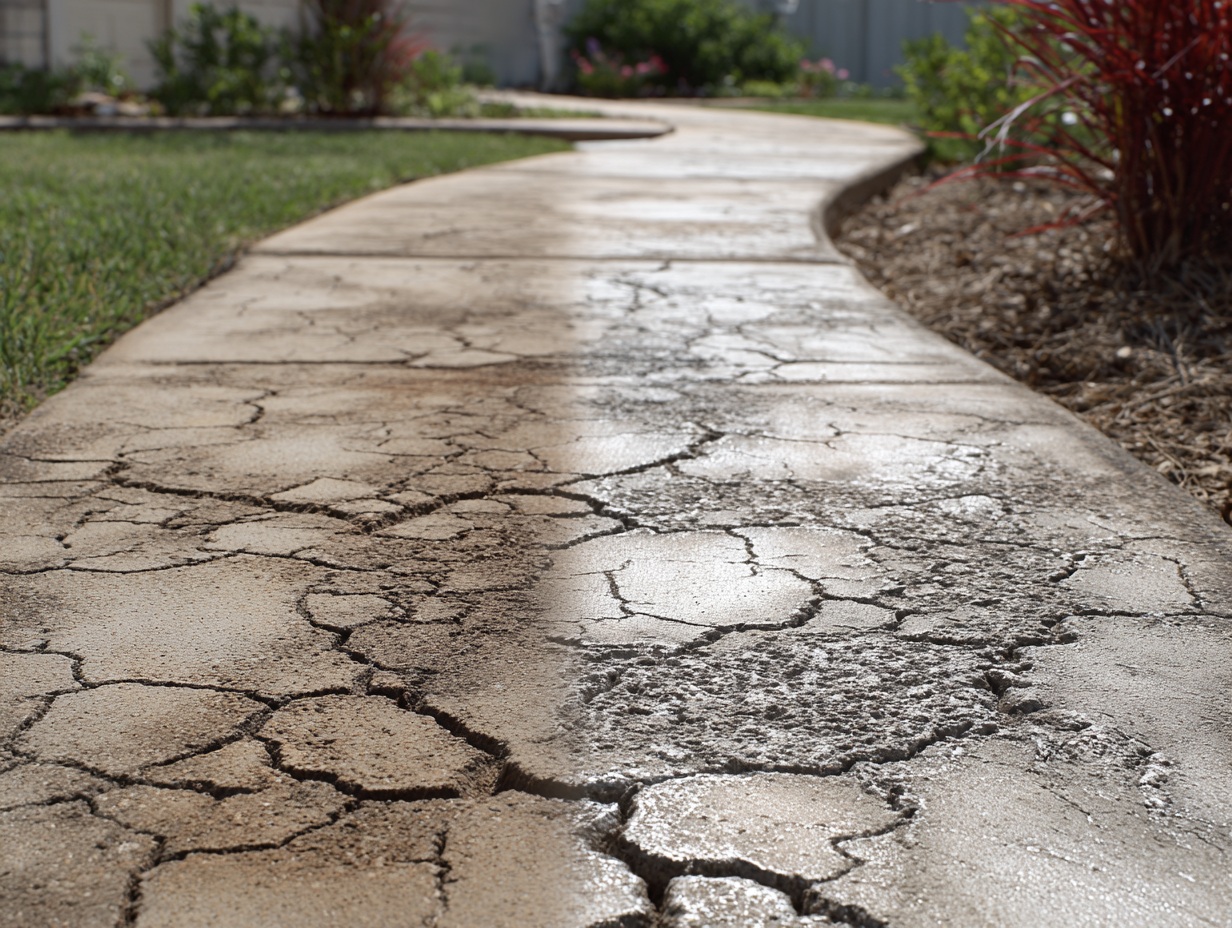
DIYers often mix concrete by hand in small batches, which leads to inconsistent strength and texture. If water content isn’t precise, the result can be weak, crumbly concrete or surfaces prone to scaling.
Ready-mix concrete or properly proportioned batch mixing ensures uniform strength. Professionals also add air entrainment or reinforcement (like wire mesh) when needed for durability in specific climates.
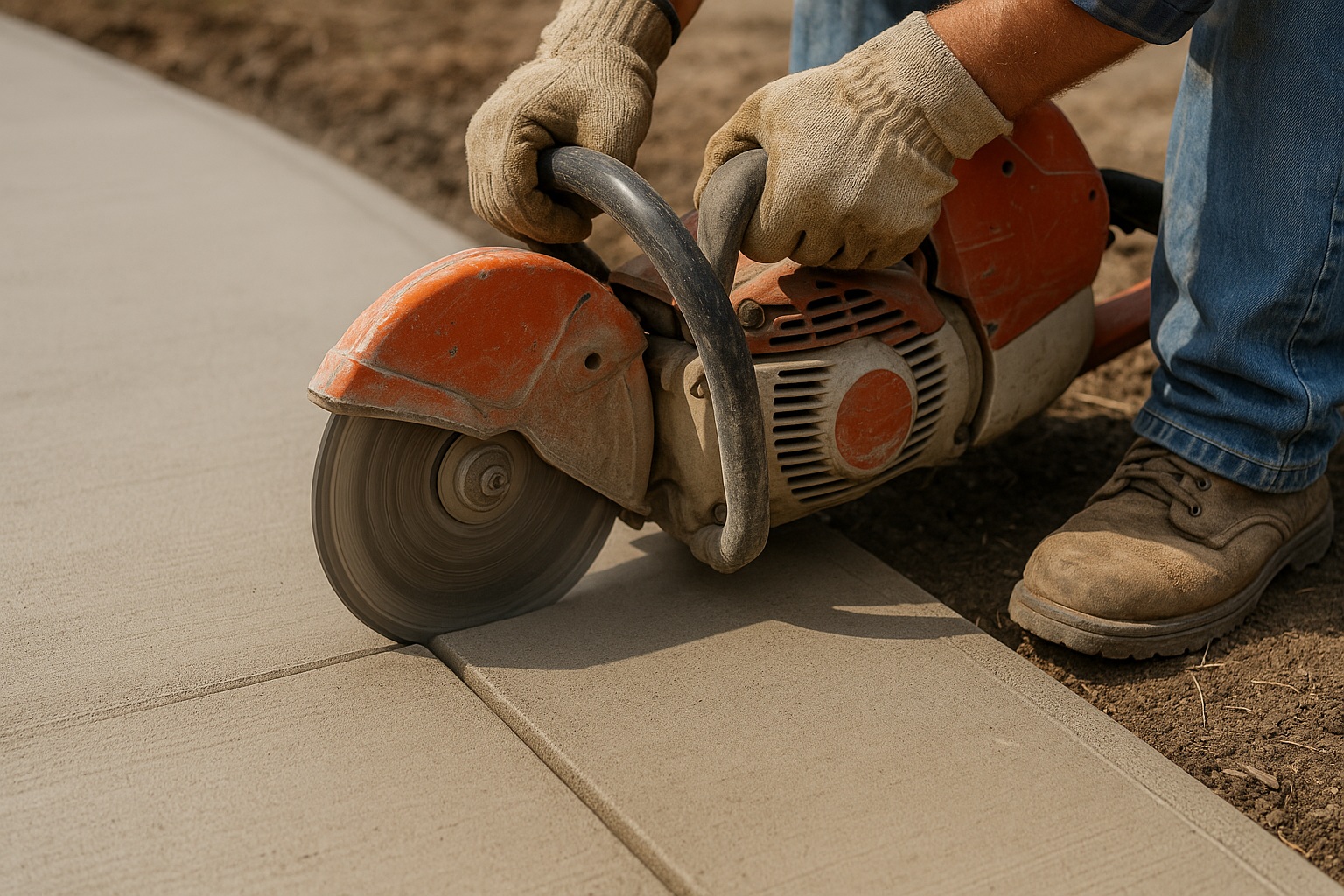
Mistake #4: Neglecting Control Joints
Without properly placed control joints, concrete has no room to expand or contract naturally. This causes random cracks that mar appearance and weaken the slab.
Joints should be cut to ¼ the depth of the slab and spaced no more than 2–3 times the width of the walkway. Professionals plan and cut joints within 6–18 hours of pouring, preventing uncontrolled cracking.
Mistake #5: Rushing or Skipping Curing
Curing is the process that allows concrete to reach maximum strength. DIYers often walk on the slab too early or fail to keep it moist in the first week. Rapid drying causes surface cracks, weak spots, and dusting.
The correct method is to cover the surface with curing blankets, mist with water, or use curing compounds for at least 7 days. This slow, controlled hydration makes all the difference in durability.
Mistake #6: Poor Finishing Techniques
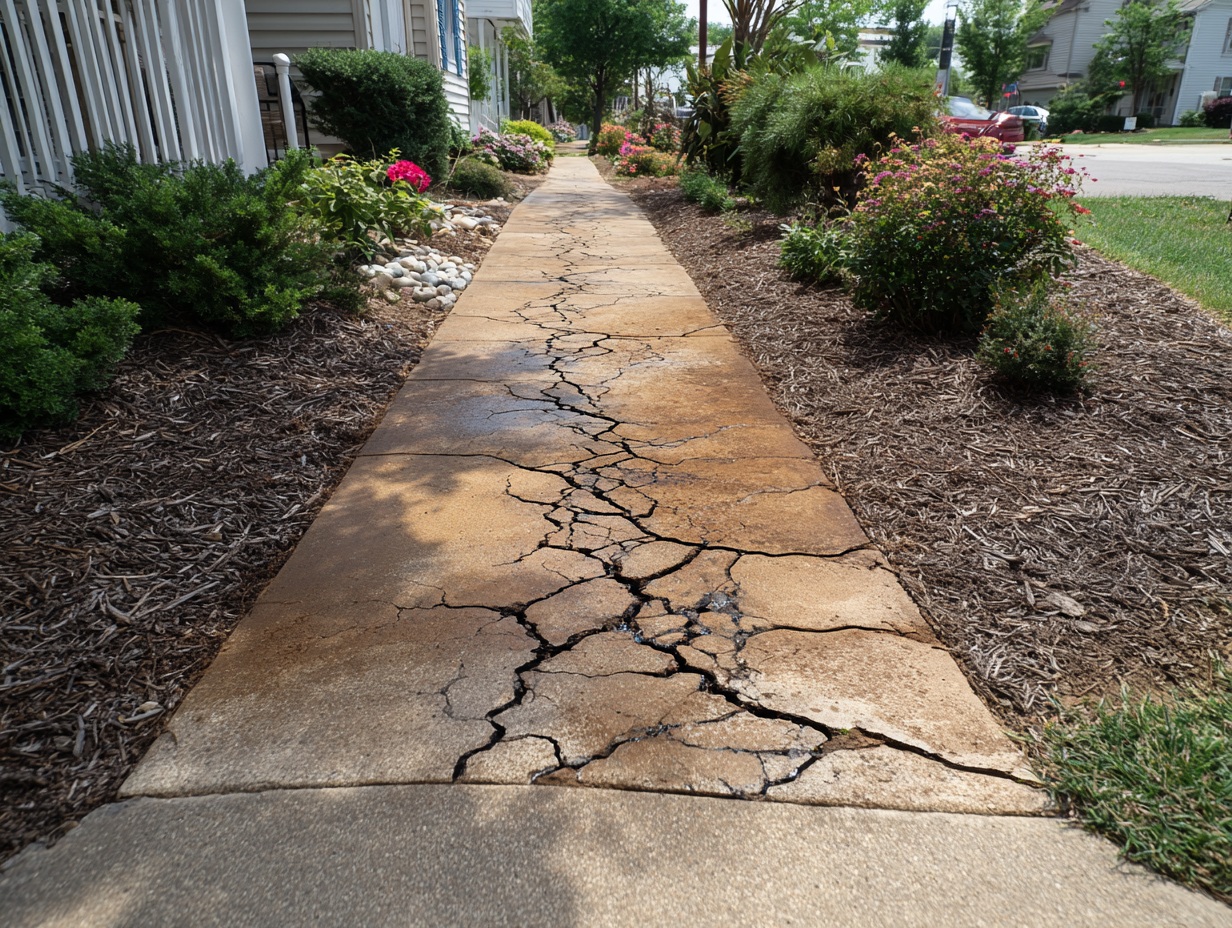
DIYers sometimes overwork the surface, troweling too much water and fine particles upward. This weakens the top layer, causing flaking and scaling within a year or two. Others finish too early, leaving rough, uneven surfaces.
A simple broom finish applied at the right time gives the walkway texture, slip resistance, and professional quality that lasts.
A Walkway Worth Walking On
DIY concrete walkways may save money upfront, but mistakes in slope, joints, curing, or base preparation can lead to costly repairs and early replacement. A properly built walkway, however, provides decades of safety, strength, and beauty.
At Precision Hardscape & Construction, we design and pour walkways that withstand the Carolina climate and add lasting curb appeal. From professional base prep to precise finishing, we handle every detail. Call (843) 222-5377 or visit www.precisionhardscapeconstruction.com to schedule a consultation for your next walkway project.