
Safeguarding Your Outdoor Spaces Before the Cold Arrives
A well-designed hardscape—your patios, driveways, walkways, and retaining walls—represents a major investment in beauty and functionality. But when winter approaches, even the strongest stone or concrete can fall victim to nature’s freeze-thaw cycle. Moisture seeps into pores and joints, freezes, expands, and slowly breaks apart the surface layer. In the Carolinas, where winters bring fluctuating temperatures and bouts of freezing rain, winter hardscape maintenance is not optional—it’s essential.
The key to protecting your hardscape lies in preparation. By cleaning, sealing, repairing, and properly managing water runoff before the cold hits, homeowners can prevent costly damage and extend the lifespan of their outdoor spaces. The steps below reveal how to winterize effectively and ensure your stonework stays beautiful and strong through every frost and thaw.
Understanding the Freeze-Thaw Threat
The freeze-thaw cycle is one of the most damaging natural processes affecting outdoor surfaces. When water enters small cracks or pores in concrete, pavers, or natural stone, it expands by nearly 9% as it freezes. This expansion exerts significant pressure inside the material, leading to surface spalling, cracks, or even structural separation.
1. Porosity and Material Weakness:
Natural stones like limestone and sandstone are more porous and prone to water absorption, while dense materials like granite, bluestone, and concrete pavers are more resistant. Still, without sealing and drainage, even durable materials can absorb enough moisture to cause expansion damage.
2. Joint and Edge Vulnerability:
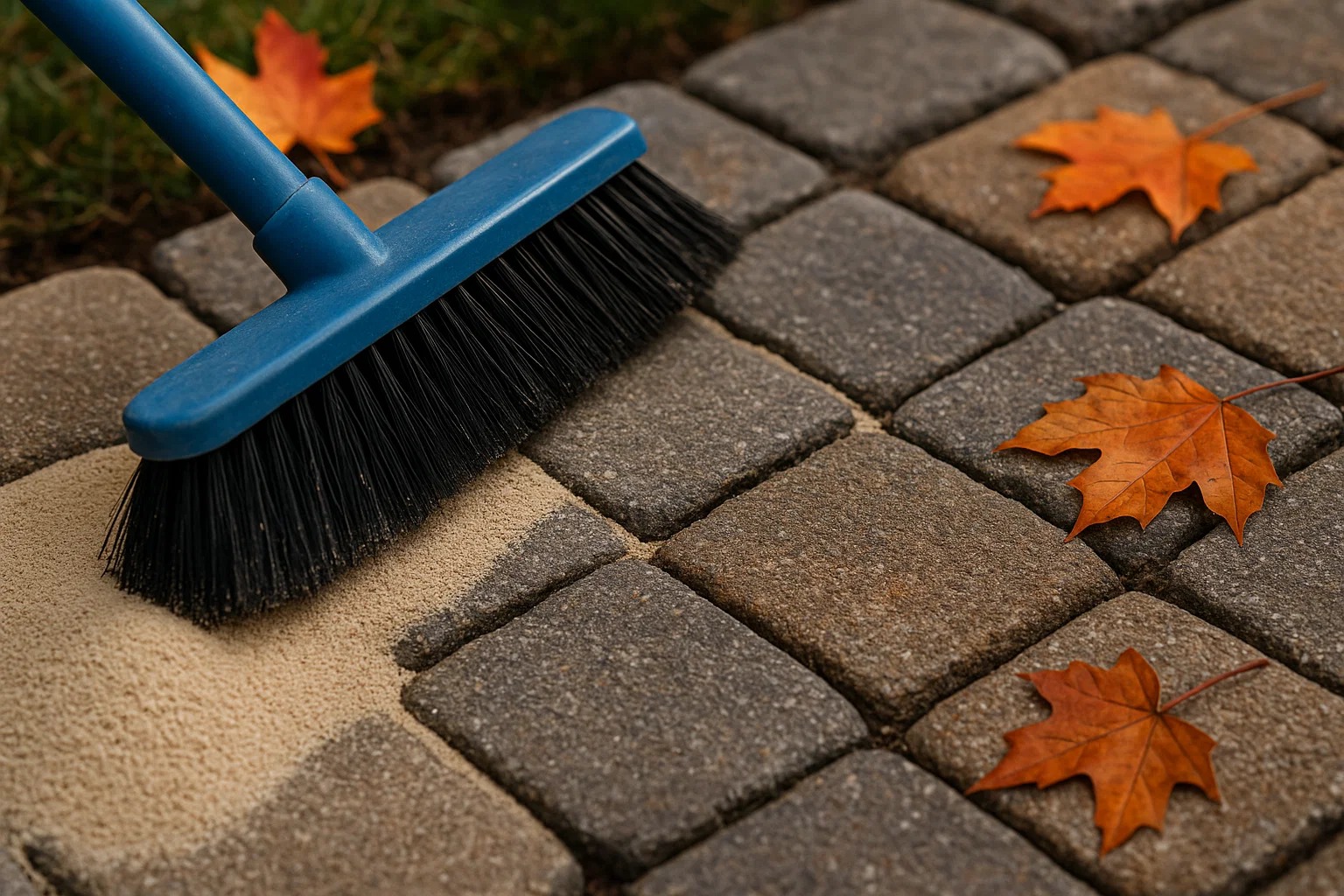
Joints filled with regular sand are especially at risk—once water enters, freezing can dislodge the material and create loose or uneven pavers. Polymeric sand, when properly applied, locks joints tight and repels moisture, reducing freeze-thaw damage dramatically.
3. Improper Drainage:
When snow or rainwater cannot drain properly, it pools and seeps into the substrate. During freezing weather, this trapped moisture causes heaving, uneven settling, and long-term instability.
Essential Steps for Winter Hardscape Maintenance
Preparing your outdoor living spaces for winter isn’t complicated—but it must be done thoroughly. Think of it as preventive insurance for your hardscape investment.
1. Clean and Inspect Thoroughly
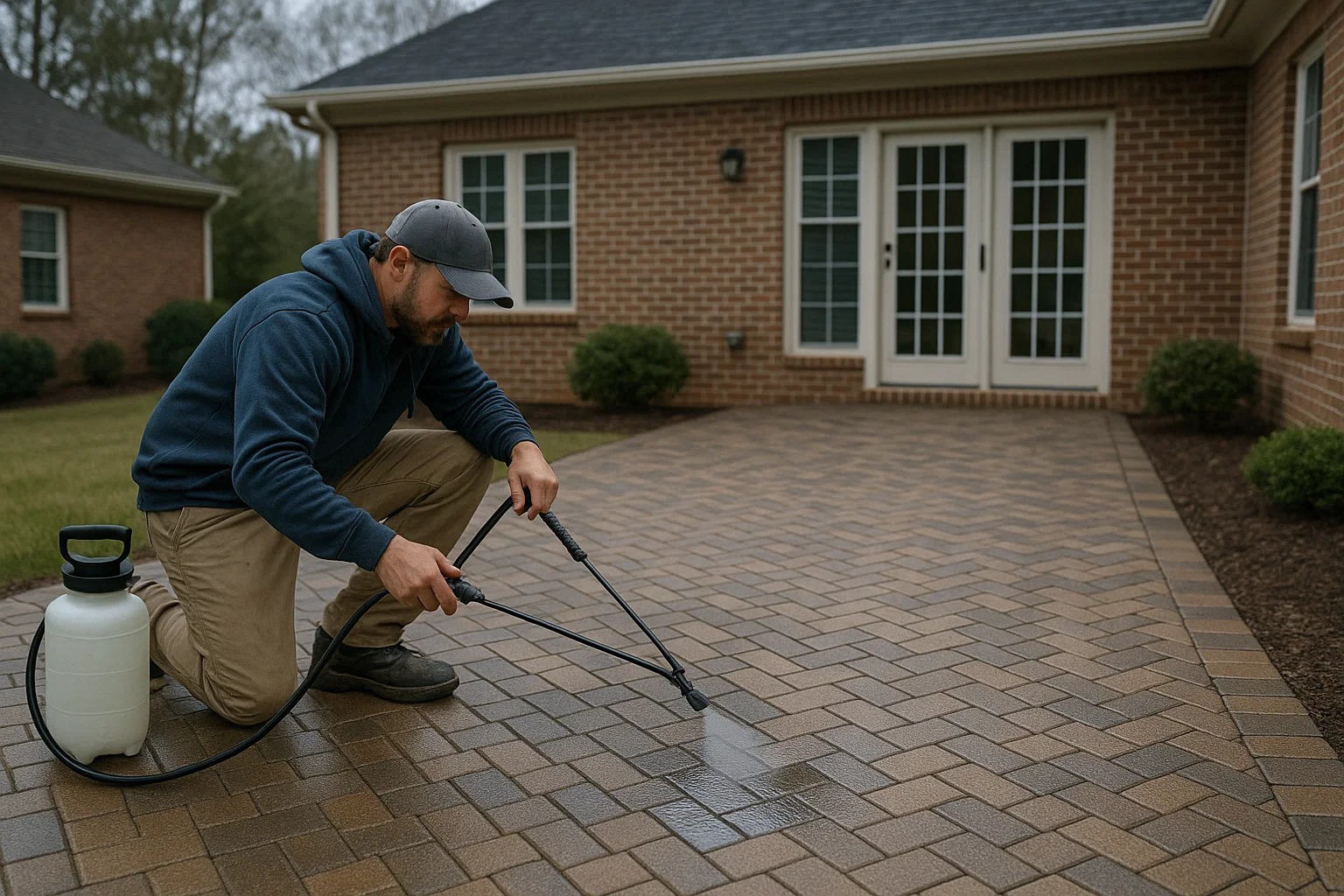
Before the first frost, remove debris, leaves, and dirt from all hardscape surfaces. Organic buildup retains moisture and encourages staining or mold growth. Use a pressure washer on a moderate setting to clean patios and walkways, but avoid high-pressure washing that can erode joint material.
As you clean, inspect for cracks, heaving, or missing joint sand. Addressing these issues now prevents water infiltration and stops minor flaws from worsening when temperatures drop.
2. Repair Cracks and Replace Damaged Pavers
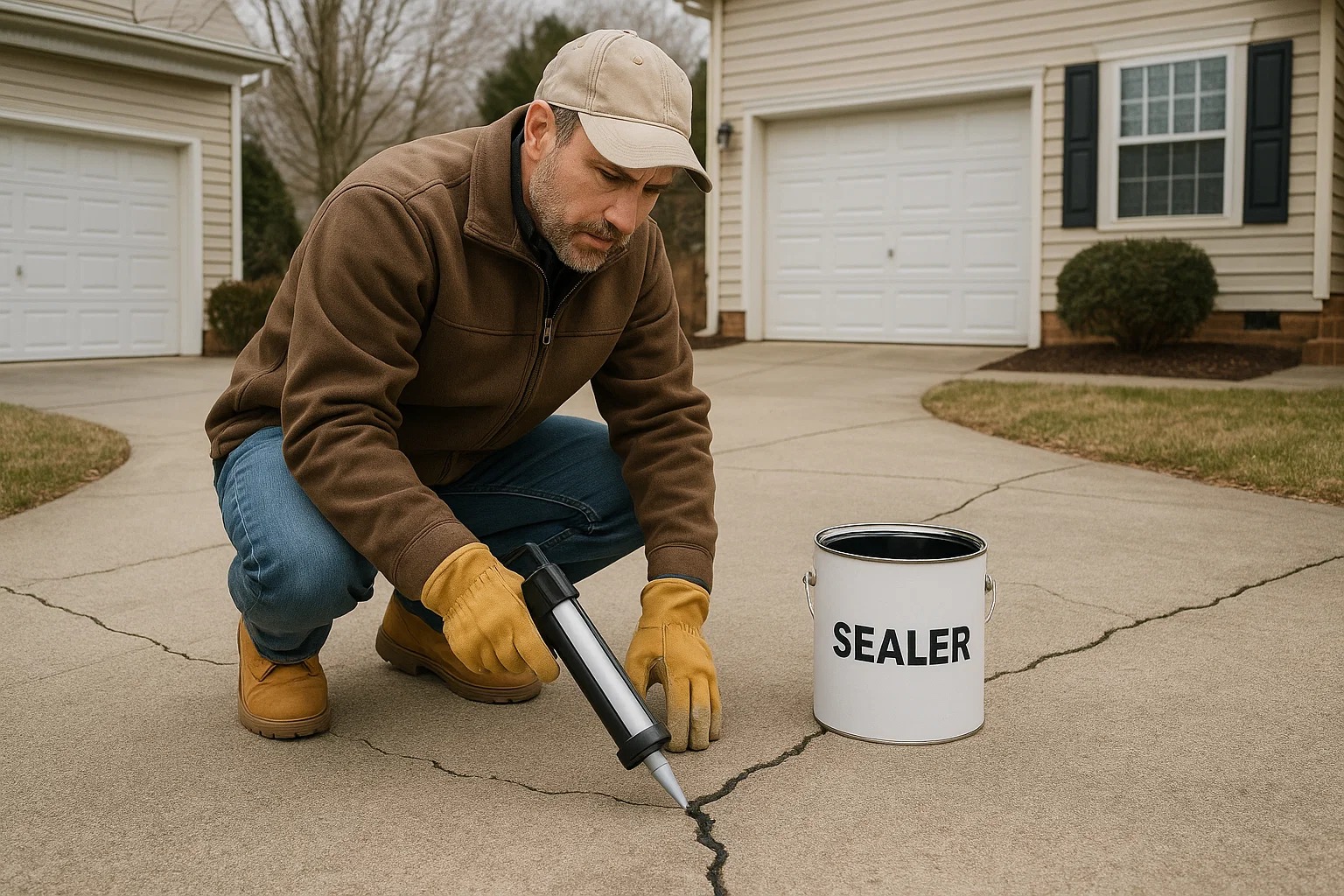
Even small cracks can collect moisture that leads to expansion damage. Fill concrete cracks with a flexible sealant or polymer-based filler that accommodates movement during temperature shifts. For paver systems, replace any cracked or sunken stones and ensure the base beneath is compacted and level.
3. Reapply a High-Quality Sealer
A penetrating sealer is your best defense against winter damage. It works by absorbing into the material and forming an invisible barrier that blocks water and salt infiltration while allowing the stone to breathe. For concrete, look for silane or siloxane-based sealers rated for freeze-thaw conditions. For natural stone, choose sealers designed for porous surfaces.
Apply sealers on a clean, dry surface when temperatures are above 50°F and no rain is expected for at least 24 hours. Reapply every two to three years—or annually if your hardscape faces direct exposure to snow, ice, or de-icing products.
4. Protect Edges and Joints
Use polymeric joint sand instead of regular sand between pavers. When activated with water, it hardens into a flexible, water-resistant surface that prevents erosion, weed growth, and moisture infiltration. Edge restraints should also be checked for movement or lifting; a secure perimeter keeps your entire patio or walkway stable through winter shifts.
5. Manage Drainage and Runoff
Check that drains, catch basins, and downspouts are clear of debris. Poor drainage is one of the leading causes of frost-related damage because standing water seeps under the hardscape base. Consider installing channel drains or French drains in areas that frequently collect water. The goal is simple: no puddles left to freeze overnight.
Winter Care Tips for Everyday Use
Once your hardscape is winterized, a few simple habits will keep it protected through the season.
1. Use De-Icers Carefully:
Avoid salt-based de-icers like rock salt (sodium chloride) which corrode surfaces and harm nearby vegetation. Instead, choose calcium magnesium acetate (CMA) or potassium chloride, both gentler on stone, concrete, and pavers. Alternatively, sand or kitty litter adds traction without chemical damage.
2. Use Plastic or Rubber Shovels:
Metal snow shovels can scratch or chip sealed surfaces. Opt for plastic-edged shovels or snow blowers with rubber blades. Clear snow early before it melts and refreezes into ice patches.
3. Avoid Heavy Vehicles on Frozen Surfaces:
If your driveway or patio isn’t designed for vehicular load, avoid driving or parking on it when frozen. The base material can become brittle under extreme cold and pressure.
4. Maintain Plant Borders:
Trim back overgrown shrubs and remove fallen leaves near walls and walkways. These retain moisture and encourage frost buildup around edges.
Preparing Now Means Peace of Mind Later
The most effective defense against winter damage is prevention. Regular maintenance and sealing don’t just protect surfaces—they preserve your investment for decades. A well-prepared hardscape will come through the freeze-thaw cycle without shifting, cracking, or fading, while neglected surfaces will show visible wear by spring.
For homeowners across the Carolinas, winter hardscape maintenance is a simple but crucial step to ensure long-term performance. With the region’s unpredictable mix of warm days and freezing nights, it’s important to act before winter weather sets in.
At Precision Hardscape Construction, we specialize in building and maintaining hardscapes that withstand every season. From sealing and drainage upgrades to structural repairs and joint restoration, our team ensures your outdoor spaces remain safe, strong, and stunning through winter and beyond.
Call (843) 222-5377 or visit www.PrecisionHardscapeConstruction.com to schedule your winter hardscape maintenance service today. Protect your investment now—and enjoy your outdoor spaces worry-free when spring returns.