
Our Paved Patios Last a Lifetime
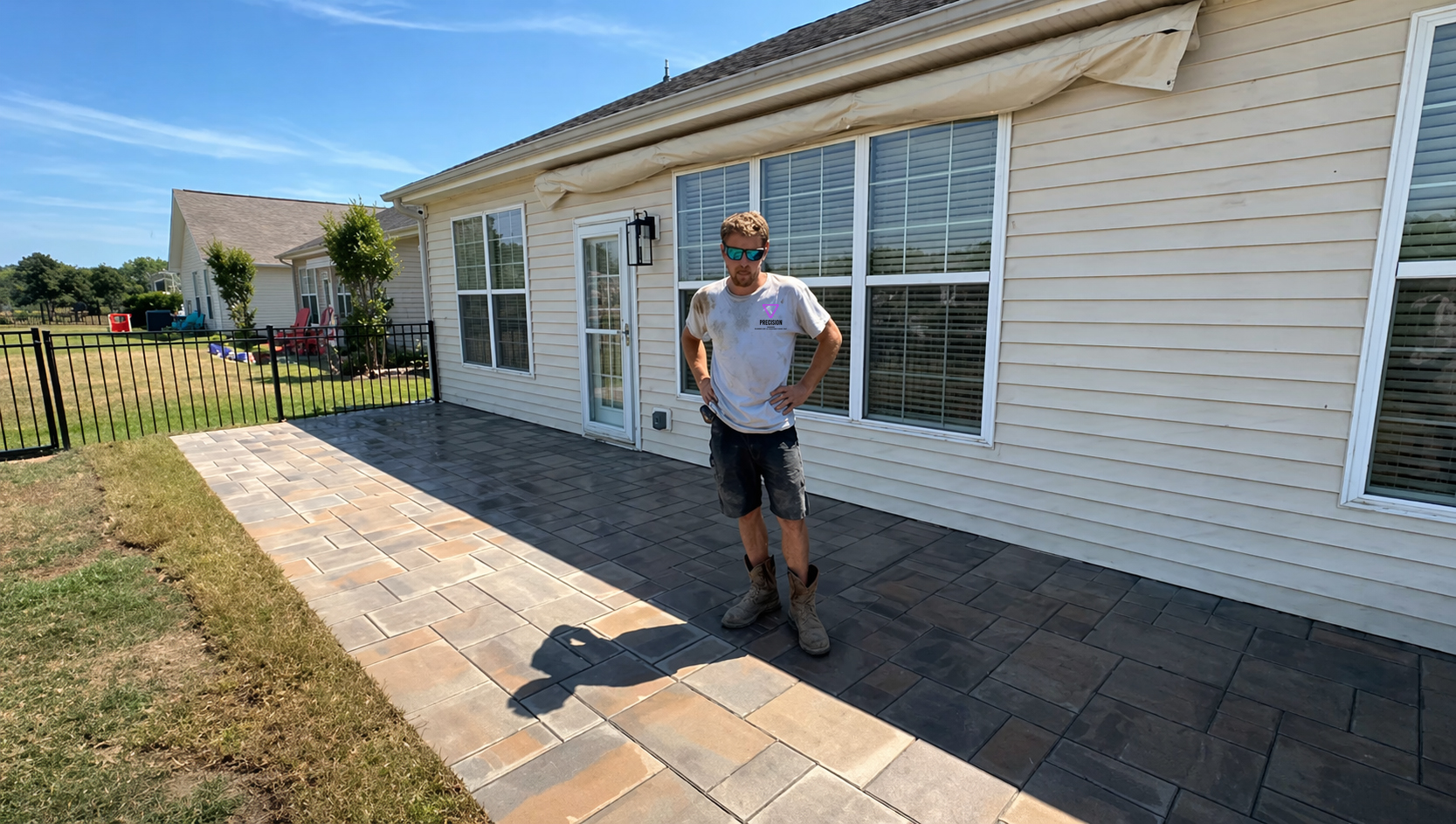
Some backyard projects look good when the crew leaves and start showing problems not long after. A well-built paver patio is different. When the base is prepared correctly, the drainage is handled properly, the edge restraint is solid, and the joints are finished the right way, a patio can keep its structure and beauty for years. That is the message Matt Jones, owner of Precision Hardscape & Construction, brings home in one of his finished-project videos, where he walks through a completed patio and points out not only how it looks, but why it was built to last.
Table of Contents
- The Patio Matt Presented in the Video
- Why a Properly Built Paver Patio Lasts So Long
- Why Large-Format Pavers Work So Well
- Why Paver Patios Make Sense in Little River, Calabash, and Sunset Beach
- How a Patio Becomes an Outdoor Living Space
- What Homeowners Should Look for in Patio Construction
- How to Maintain a Paver Patio for the Long Run
- Related Outdoor Improvements That Add Value
- FAQ About Paver Patios
In the video, Matt highlights a 400-square-foot paver patio finished with Techo-Bloc Blu 60, a larger-format paver that gives the backyard a clean, upscale look. He also mentions the final details that matter more than many homeowners realize: polymeric sand swept into the joints and sod touch-up to leave the project looking complete instead of abruptly finished. It is a short video, but it points to a bigger truth: long-lasting patios are not accidents. They are the result of good material choices, solid installation methods, and a contractor who pays attention to the details.
The Patio Matt Presented in the Video
The project Matt shows is the kind of patio many homeowners across Little River, SC, Calabash, NC, and Sunset Beach, NC are looking for now: open enough for everyday use, clean enough to look high-end, and durable enough to handle coastal weather without turning into a maintenance burden. The surface is wide and practical, but it also feels finished and intentional. The larger paver pattern gives it a more refined appearance than many smaller, busier patio layouts.
What stands out is that the patio does not look temporary. It looks tied into the property. The shape works with the backyard. The material color fits the house and the surrounding landscape. The final grading and sod touch-up keep the edges from looking rough. That matters. The best hardscape projects do not feel dropped into a yard. They feel like they belong there.
What Matt specifically pointed out in the video:
- A 400-square-foot paver patio
- Techo-Bloc Blu 60 pavers
- A larger paver format for a strong visual effect
- Polymeric sand swept into the joints
- Sod touch-up to finish the project cleanly
Why a Properly Built Paver Patio Lasts So Long
When Matt says these patios last, the important phrase is if they are done right. That is the real issue with hardscape work. People do not compare one patio to another only by color and shape. They compare them by what happens after the first heavy rain, after the first summer of expansion and contraction, and after the ground settles through the seasons. A patio that was installed with shortcuts may still look fine on day one. The real test comes later.
Base preparation matters more than homeowners can see
The strength of a paver patio begins below the surface. The visible pavers are only the finish layer. What makes the patio stable is the excavation, the compacted base material, and the leveling process. In coastal areas, where soil conditions can be sandy and moisture conditions can change quickly, weak base work is where problems begin. Shifting, low spots, washout, and uneven sections are usually not surface problems first. They are foundation problems.
Joint stabilization helps lock the system together
Matt mentions polymeric sand in the video for a reason. It is not just a cosmetic final step. Polymeric sand fills the joints between the pavers and helps reduce movement, washout, and weed intrusion when installed correctly. It also helps the patio function as a system instead of a collection of loose pieces. Homeowners often focus on the paver itself, but joint performance plays a major role in how a patio holds up over time.
Drainage is part of durability
A patio does not last simply because the pavers are strong. It lasts because water is managed. Proper slope, clean transitions to the yard, and thoughtful edge conditions keep water from sitting where it should not. On properties in Little River, Calabash, and Sunset Beach, drainage is not a side issue. It is part of whether the patio stays level and attractive year after year.
The finishing work says a lot about the contractor
One of the easiest ways to tell how carefully a contractor works is to look at the final details. Matt mentions sod touch-up after the patio installation. That says a lot. A contractor who cares about the edges, the cleanup, and the way the patio meets the rest of the yard usually cares about the hidden steps too. A lasting patio is built by someone who treats the whole project seriously, not just the part that shows up in the photos.
Why Large-Format Pavers Work So Well
Matt specifically points out the use of Techo-Bloc Blu 60, which is known for its larger format. Homeowners often notice the look before they know why they like it. Larger pavers tend to create a cleaner, calmer visual field. Instead of a patio surface feeling busy, it feels more architectural. That can make the whole backyard look more refined.
Large-format pavers also work especially well for modern homes, transitional styles, and open backyard spaces where the patio is meant to feel like an extension of the house. In a market like coastal Carolina, where outdoor living space is a major selling point, that cleaner look can make a property feel more finished and more valuable.
Benefits of larger paver styles
- A more contemporary and upscale appearance
- Cleaner visual lines in open patio layouts
- Better fit for seating areas, dining spaces, and fire pit zones
- A balanced look in wider backyard areas near ponds, lawns, or landscaped beds
That does not mean larger pavers are always the only answer. The right layout depends on the home, the lot, the use of the space, and the surrounding materials. But Matt’s video is a good example of how the right larger-format paver can immediately upgrade the look of a backyard.
Why Paver Patios Make Sense in Little River, Calabash, and Sunset Beach
Homeowners in Little River, SC, Calabash, NC, and Sunset Beach, NC are not dealing with the same conditions as someone inland on more stable soil and in a drier climate. Coastal properties bring a different mix of challenges: sandy subsoils, humidity, periodic heavy rain, organic growth, and long outdoor-use seasons. Those conditions reward smart hardscape construction and expose poor workmanship fast.
Paver patios are well suited to coastal conditions
Unlike a poured slab, a paver system is made up of individual units. When installed properly, that system offers flexibility and serviceability. If a section ever needs adjustment, the repair can be localized. That is one reason pavers are such a practical choice for this region. They combine appearance with long-term function.
Outdoor living has real value in this part of the coast
In these communities, people actually use their outdoor spaces. A patio is not just a decorative improvement. It can become the place where family sits in the evening, where friends gather around a fire feature, where a grill station makes more sense than crowding the kitchen, or where homeowners simply enjoy a clean, low-maintenance space instead of a muddy or underused backyard. In a coastal market, outdoor living is not a luxury add-on. It is often one of the most livable parts of the property.
Local craftsmanship matters
A contractor who regularly works in this region understands the conditions better than someone applying generic methods. Precision Hardscape & Construction serves coastal communities including Calabash, Sunset Beach, Ocean Isle Beach, Shallotte, Little River, Longs, North Myrtle Beach, and Myrtle Beach. That matters because installation choices should reflect local weather, drainage patterns, and the way homeowners here actually use their yards.
How a Patio Becomes an Outdoor Living Space
The strongest patios do more than provide a hard surface. They organize how a backyard is used. A good patio creates zones. One side may be for dining. Another may be for lounge seating. Another may support a fire pit, walkway connection, or transition to decorative rock and landscape beds. That is when a patio starts doing more than replacing grass. It starts changing how the home lives.
This is where design and construction meet. The shape of the patio, the paver pattern, the border treatment, and the way the surface ties into planting beds or gravel areas all affect whether the result feels ordinary or thoughtfully built. For many homeowners, that transformation is the real value. They do not just get pavers. They get a backyard that feels finished.
If you want to explore the broader outdoor-living side of this topic, Precision Hardscape & Construction has already published related resources such as Paver Patios and Outdoor Living Spaces in Coastal Carolina: What Every Homeowner Should Know and Built to Last: Matt Jones Revisits a Paver Patio He Installed 5 Years Ago.
What Homeowners Should Look for in Patio Construction
When homeowners compare quotes, the numbers can vary a lot. The temptation is to compare only size and material. That is a mistake. If you want a patio that lasts, these are the things worth asking about:
- How will the base be excavated and compacted?
- How will water move away from the patio and surrounding home?
- What paver line and thickness are being used?
- Will the joints be finished with polymeric sand?
- How will the edges be restrained and protected?
- How will the contractor handle the transition back to grass, sod, rock, or planting beds?
- Does the contractor show clean, finished projects instead of only tight close-up shots?
The right contractor will not act annoyed by those questions. A good contractor expects them. Precision Hardscape & Construction’s site emphasizes smart design, solid structure, and craftsmanship that lasts, and that is exactly the right conversation for homeowners to have before any patio project begins.
How to Maintain a Paver Patio for the Long Run
One reason homeowners like paver patios is that they are generally lower maintenance than wood structures and less vulnerable to the obvious cracking problems common with concrete slabs. Still, lower maintenance does not mean no maintenance.
Good habits that help a paver patio stay in top shape
- Keep the surface free of built-up debris and organic matter.
- Rinse or clean the patio when dirt, pollen, or staining starts to build.
- Address drainage issues early if water begins collecting where it should not.
- Watch the joints over time and refresh sand if needed.
- Have the patio reviewed if any area begins to settle, so small corrections stay small.
A well-built patio should not become a constant chore. That is the point. Homeowners want to enjoy the space, not fight with it. But even the best installation benefits from occasional attention, especially in a coastal environment where moisture and debris can build up over time.
Related Outdoor Improvements That Add Value
A patio often becomes the foundation for larger improvements. Once the main surface is in place, many homeowners decide to continue the project in stages. Precision Hardscape & Construction offers a wide set of related services through its services page, including patios, walkways, outdoor kitchens, outdoor fireplaces, retaining walls, drainage solutions, pergolas, decorative rocks and stones, and custom landscape design.
For homeowners planning a full backyard upgrade, these related articles may also be useful:
- From Concrete Slab to Dream Backyard
- Driveway Extension and Paver Walkway Installation: A Smart Upgrade for Coastal Carolina Homes
- How Decorative Rock Around Your House Protects Your Foundation and Improves Drainage
- Browse the Precision Hardscape & Construction blog
FAQ About Paver Patios
How long does a paver patio last?
A professionally installed paver patio can last for decades. The lifespan depends less on the surface alone and more on proper excavation, compaction, drainage, edge restraint, and joint stabilization. When those elements are handled correctly, paver patios can hold up extremely well over the long term.
Are paver patios better than concrete in coastal Carolina?
In many cases, yes. Paver systems are better suited to movement in the ground because they are made of individual units rather than one rigid slab. That makes them a strong option for coastal areas where sandy soils, changing moisture conditions, and heavy rain can make concrete more prone to visible cracking.
What is polymeric sand and why does it matter?
Polymeric sand is a joint material swept between pavers and activated during finishing. It helps reduce washout, joint loss, and weed intrusion when applied properly. It is one of the details that helps a patio function as a stable system rather than just a loose surface of separate pieces.
Do larger pavers make a patio look better?
They often do, especially in open backyard spaces and on homes that benefit from a cleaner, more modern look. Larger-format pavers can create a more refined appearance and make the patio feel like a natural extension of the home.
Do paver patios need a lot of maintenance?
No, not compared with many other outdoor surfaces. They should still be kept clean, monitored for joint wear, and checked if drainage issues appear, but they are generally easier to maintain than wood decking and more repair-friendly than large poured slabs.
Why hire a local patio contractor in Little River, Calabash, or Sunset Beach?
A local contractor understands the coastal conditions, common drainage issues, soil behavior, and homeowner preferences in this part of the Carolinas. That local experience can make a real difference in both design decisions and long-term performance.
Ready to Build a Paver Patio That Looks Great and Holds Up?
If you live in Little River, SC, Calabash, NC, or Sunset Beach, NC and want a patio that is built with the long view in mind, Matt Jones and Precision Hardscape & Construction, LLC are worth talking to. From patio layout and material selection to final finishing details, Matt takes a hands-on approach focused on craftsmanship, function, and results that last. Call (843) 222-5377 or visit precisionhardscapeconstruction.com to discuss your project.
Service areas highlighted in this article: Little River, South Carolina; Calabash, North Carolina; and Sunset Beach, North Carolina.